
If you’ve been dealing with persistent sinus pressure, congestion, or recurring infections, you may have heard that balloon sinuplasty can help open blocked sinuses. But does it work for every sinus, or only certain ones?
Balloon sinuplasty can treat selected drainage obstructions in the frontal, maxillary, and sphenoid sinuses. The ethmoid sinuses are different because they contain multiple small air cells separated by thin bony partitions, which generally cannot be treated with balloon dilation alone.
At Southern California Sinus Institute, we evaluate which sinuses are affected, what’s causing the obstruction, and whether balloon sinuplasty is appropriate for your condition. The goal is to improve sinus drainage using an approach that addresses the underlying problem.
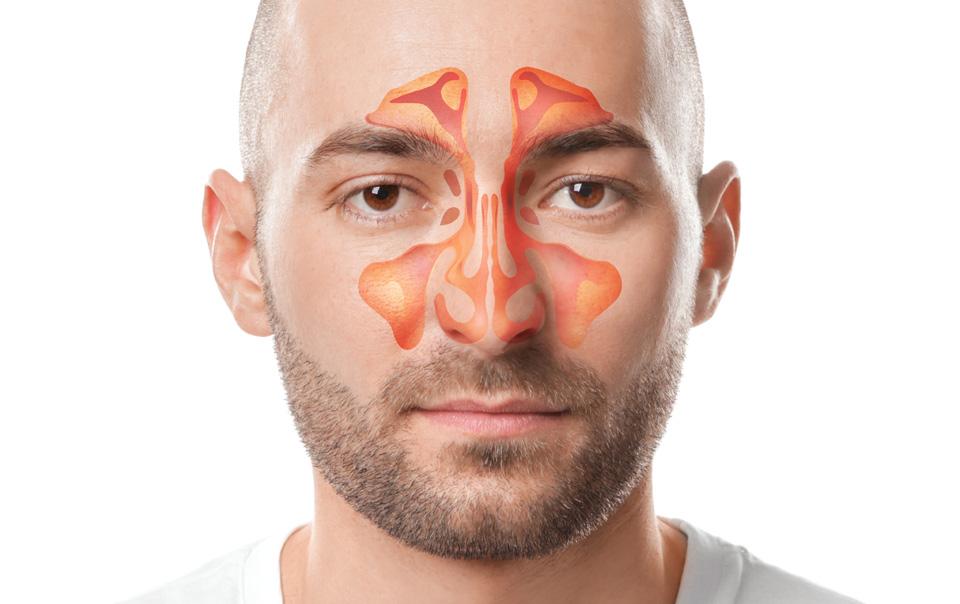
Understanding the Four Pairs of Sinuses
Your paranasal sinuses are air-filled spaces within the bones of your face and skull. Each sinus is lined with a thin layer of tissue called the mucosa, which produces mucus that normally drains into your nasal passages.
The four pairs of sinuses are:
- Frontal sinuses: Located in the forehead, above your eyes.
- Maxillary sinuses: Located behind your cheeks, on either side of your nose.
- Ethmoid sinuses: Groups of small air cells located between your eyes.
Sphenoid sinuses: Located deeper within your skull, behind the ethmoid sinuses.
Most sinuses drain through a small opening called an ostium. The sphenoid sinuses drain into an area called the sphenoethmoidal recess, while the frontal, maxillary, and anterior ethmoid sinuses drain through pathways associated with the middle nasal passage.
Tiny hair-like structures called cilia move mucus toward these openings through a process known as mucociliary clearance. The ostiomeatal complex is particularly important because it contains drainage pathways for several sinuses.
When these pathways become narrowed or obstructed, mucus may not drain normally, contributing to congestion, pressure, and inflammation.
Why Do Sinus Drainage Pathways Become Blocked?
Allergies, respiratory infections, and airborne irritants can cause edema, or swelling, in the sinus lining. As inflammation increases, drainage openings may narrow and mucus can accumulate.
Other contributing factors include a deviated septum, nasal polyps, and anatomical variations that interfere with drainage.
Chronic sinusitis generally involves symptoms lasting at least 12 weeks, along with objective evidence of sinus inflammation. Recurrent acute sinusitis involves separate episodes of infection with periods of improvement between them.
Common symptoms include nasal congestion, thick drainage, reduced sense of smell, and facial pressure. Although forehead or cheek discomfort may suggest which sinuses are involved, symptoms alone cannot reliably identify the affected sinus.
We use your medical history, examination findings, and appropriate imaging to distinguish sinus disease from conditions such as allergies or migraines that can produce similar complaints.
Which Sinuses Can Balloon Sinuplasty Treat?
During balloon sinuplasty, a surgeon guides a small balloon catheter into an accessible sinus drainage opening. The balloon is briefly inflated to widen the passage, then deflated and removed.
The procedure is designed to improve drainage while preserving surrounding tissue where possible. However, its effectiveness depends on the sinus involved, the nature of the obstruction, and whether the opening can be safely accessed.
Frontal Sinuses
The frontal sinuses sit above your eyes and drain through the frontal recess, a narrow pathway that can become obstructed by inflammation.
In appropriately selected patients, balloon dilation may widen this drainage pathway and improve ventilation. Because the frontal recess lies near the eye socket and skull base, careful evaluation of the anatomy is essential.
Not every frontal sinus obstruction is suitable for balloon treatment. Extensive disease, polyps, or unfavorable anatomy may require another approach.
Maxillary Sinuses
The maxillary sinuses are located behind your cheeks and are commonly affected by sinus inflammation.
Balloon dilation may be considered when the natural drainage opening is narrowed and the surrounding anatomy is suitable. Selected patients with maxillary sinusitis may benefit from improved drainage through this opening.
However, balloon dilation may not adequately address extensive polyps, disease involving adjacent ethmoid cells, or other conditions requiring tissue removal.
Sphenoid Sinuses
The sphenoid sinuses lie deep within the skull, close to the optic nerves, carotid arteries, and skull base.
Balloon sinuplasty may widen the sphenoid drainage opening when the obstruction is appropriate for dilation. Because of the surrounding structures, reviewing the anatomy carefully is especially important.
Some patients with sphenoid sinus disease experience deep headaches or pressure behind the eyes. These symptoms are not specific to sphenoid disease, so an accurate diagnosis is necessary before considering treatment.
Ethmoid Sinuses
The ethmoid sinuses differ from the other sinus groups. Instead of one larger cavity, they consist of numerous small air cells separated by thin bony partitions.
Balloon dilation cannot generally open these individual cells. When ethmoid sinusitis requires surgery, an endoscopic procedure may be necessary to remove obstructing partitions and establish drainage.
Patients with disease affecting both the ethmoid sinuses and other sinus groups may need a combined surgical approach.
How Do We Determine Whether Balloon Sinuplasty Is Right for You?
At Southern California Sinus Institute, we begin by reviewing your symptoms, previous treatments, and medical history. We then examine your nasal passages to identify possible causes of obstruction.
Nasal endoscopy allows us to look for inflammation, polyps, and other abnormalities. When appropriate, a CT scan provides detailed images of the sinus anatomy and areas of disease.
We also consider whether you’ve responded to medical treatment. Balloon sinuplasty is generally considered for appropriately selected patients with objectively documented sinus disease, often after suitable medical management has not provided adequate relief.
Comparing Sinus Treatment Options
| Treatment | When It May Be Appropriate |
|---|---|
| Medical management | Saline irrigation, intranasal corticosteroids, allergy treatment, or antibiotics when indicated may control inflammation and symptoms. |
| Balloon sinuplasty | Selected patients with suitable narrowing of the frontal, maxillary, or sphenoid drainage openings may benefit from dilation. |
| Endoscopic sinus surgery | More extensive disease, significant polyps, ethmoid involvement, or tissue requiring removal may call for surgery. |
Traditional endoscopic sinus surgery can address obstructions that balloon dilation alone cannot correct.
The most appropriate treatment depends on your diagnosis, anatomy, disease severity, and response to previous care.
Benefits, Risks, and Recovery After Balloon Sinuplasty
For suitable patients, balloon sinuplasty may improve sinus drainage and help reduce symptoms such as congestion, facial pressure, and recurring infections.
However, widening a sinus opening does not eliminate every cause of inflammation. Patients with allergies or other ongoing conditions may still need medication or additional treatment.
Potential risks include bleeding, infection, persistent symptoms, scarring, and the need for further procedures. Rare complications involving nearby structures are also possible.
Recovery varies depending on the sinuses treated, whether additional procedures are performed, and individual healing. Your surgeon will provide instructions about saline irrigation, activity restrictions, and follow-up care.
Frequently Asked Questions About Balloon Sinuplasty
Which Sinuses Can Be Treated With Balloon Sinuplasty?
Balloon sinuplasty may treat selected drainage obstructions in the frontal, maxillary, and sphenoid sinuses. Ethmoid sinus disease generally requires a different surgical approach when the individual air cells need to be opened.
Can Balloon Sinuplasty Treat More Than One Sinus During the Same Procedure?
Yes. When clinically appropriate, a surgeon may dilate more than one sinus opening during the same procedure. The treatment plan depends on which sinuses are affected and whether each opening is suitable for balloon dilation.
Is Balloon Sinuplasty Different From Endoscopic Sinus Surgery?
Yes. Balloon sinuplasty widens selected sinus openings without routinely removing tissue. Endoscopic sinus surgery can remove obstructing bone, tissue, or polyps when necessary.
How Long Does Recovery Take After Balloon Sinuplasty?
Recovery varies, but many patients resume routine activities relatively quickly after an uncomplicated procedure. Your surgeon will provide individualized guidance based on your treatment and healing.
What Are the Risks and Limitations of Balloon Sinuplasty?
Risks include bleeding, infection, persistent symptoms, and possible need for further treatment. Balloon dilation cannot correct every obstruction, particularly extensive ethmoid disease or conditions requiring tissue removal.
Where Can I Get Balloon Sinuplasty in West Hills, California?
Southern California Sinus Institute offers consultations for balloon sinuplasty and other sinus treatment options. Dr. Alen Cohen can evaluate your symptoms and sinus anatomy to determine which approach may be appropriate.
Find the Right Treatment for Your Sinus Condition
Balloon sinuplasty can be an effective option for selected patients, but the location and cause of your sinus blockage determine whether it’s the right approach. Treating the affected drainage pathway matters more than simply choosing the least invasive procedure.
At Southern California Sinus Institute, Dr. Alen Cohen evaluates your symptoms, sinus anatomy, and treatment history to develop an individualized plan. Please contact Dr. Alen Cohen at Southern California Sinus Institute, a renowned ENT and nose and sinus specialist in West Hills and Los Angeles, for a consultation.