
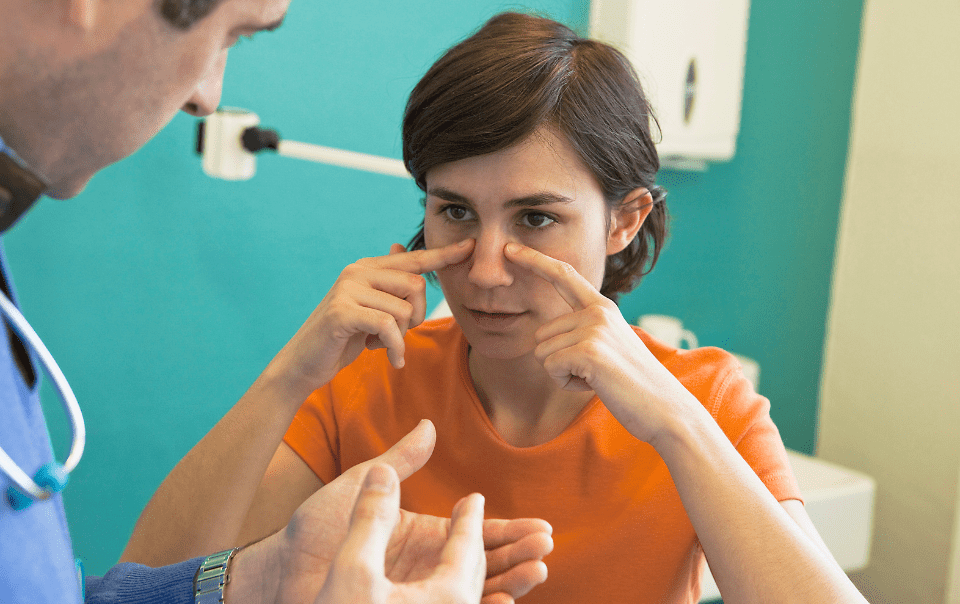
Why Sinus Problems Tend to Become Chronic
For many people, a sinus infection can feel like a bad cold that just won’t go away. The face feels full, the nose stays blocked, and thick drainage makes it hard to breathe clearly. After a short time, the swelling eases, and the symptoms fade. This is a short-term, or acute, infection. It disrupts your routine but usually does not become a lasting problem.
Chronic sinusitis is not the same. Symptoms last longer than 12 weeks or recur a few times a year. Many adults get locked in a cycle of antibiotics, nasal sprays, and short-term relief. The pressure eases, then comes back.
Over time, inflammation in the sinuses may persist. The natural drainage openings can be narrow due to swelling or anatomy. When mucus doesn’t drain well, it builds up. The pressure goes up. Bacteria multiply faster. Even if one infection clears, the drainage issue often remains.
This trend is why many people explore options beyond medicine and consider procedural sinus treatment, such as balloon sinuplasty.
Balloon Sinuplasty: What It Actually Addresses
Balloon sinuplasty is a type of sinus surgery focused on drainage. It does not remove tissue. Instead, a small balloon is guided into a narrowed sinus opening and gently inflated. This widens the passage and allows mucus to move more freely.
Because the natural lining is preserved, many patients are drawn to the benefits of minimally invasive sinus surgery. The swelling is usually mild. The recovery time is often shorter than with regular surgery. This method is meant to help with:
- Facial pressure caused by blocked sinuses
- Ongoing nasal congestion
- Recurrent infections linked to poor drainage
It is important to be clear about what it does not treat.
Balloon dilation does not cure allergies. It doesn’t repair problems with the immune system. It doesn’t directly stop inflammation caused by dust, smoking, or other irritants. If the swelling does not subside after the procedure, symptoms might return.
Understanding this balance enables patients to establish realistic expectations regarding the long-term results of balloon sinuplasty.
Short-Term Relief vs. Long-Term Sinus Health
It’s good to feel better after surgery. You may find it easier to breathe. The pressure may improve. There may be fewer infections. But getting better doesn’t always mean the problem is completely under control.
Some patients think balloon sinuplasty is a one-time repair. When this happens, chronic inflammation may be missed. Allergies, acid reflux, or environmental factors can still irritate the sinuses. Over time, swelling might make the openings smaller again. This doesn’t mean the procedure didn’t work. It signifies that a sinus condition usually requires long-term care.
When patients ask how balloon sinuplasty helps long-term sinus care, the honest answer is this: it improves drainage. Lasting success depends on managing inflammation along with it.
Who Benefits Most From Balloon Sinuplasty
Each case of chronic sinusitis varies, making patient selection crucial. Those with narrower sinus openings, rather than extensive inflammation, tend to be the best candidates for balloon dilatation.
These patients usually have imaging that shows obstructed drainage channels, although their sinus lining is mostly healthy between infections. They can repeatedly acquire infections that respond to medication but recur because the opening remains narrowed. In these situations, widening the passage can break the cycle.
In some cases, endoscopic sinus surgery is preferable because it allows you to remove inflammatory tissue as needed.
An experienced sinus doctor will first examine symptoms, scans, and treatment history before making a recommendation. Careful selection improves the likelihood of lasting relief.
Also Read: How Balloon Sinuplasty Helps Reduce Dependence on Antibiotics for Recurrent Sinus Infections
Balloon Sinuplasty as a Reset, Not a Cure
Think of balloon sinuplasty as a way to reset.
The technique improves airflow and mucus clearance by enlarging the nasal openings. Pressure decreases. The environment in the sinuses makes it less likely for bacteria to become trapped. The lining can be repaired once drainage improves. It helps the sinuses work more normally. But a reset doesn’t fix the problem permanently. Inflammation can recur if allergies or other causes persist.
The process enables healing, and ongoing care ensures that progress remains possible. This mindset helps maintain realistic expectations and supports achieving better long-term outcomes.
Ongoing Medical Management After Balloon Sinuplasty
Care does not end once balloon sinuplasty recovery and results begin to show improvement. The time after treatment is very essential. Continued support may include:
- Regular saline rinses to clear mucus
- Topical anti-inflammatory sprays, when prescribed
- Treatment for allergies or reflux, if present
These techniques help keep drainage channels open and reduce swelling. Therapy after the procedure does not mean anything was missed. It is a way to protect long-term development. Patients who keep up with their follow-up appointments often have better control over their symptoms.
When considering balloon sinuplasty for chronic sinusitis in West Hills, it’s important to address the underlying causes. Sinus can be structural, inflammatory, or both. Structural issues include limited openings or anatomical differences.
Balloon dilation is often effective. Inflammation can be caused by allergies, allergens, reflux, and immunological factors. When inflammation is the primary issue, medications and lifestyle adjustments are essential.
For some patients, balloon dilation alone is enough. For others, it is one part of a broader care plan. Identifying the main driver of symptoms helps determine the best approach.
How Balloon Sinuplasty Fits Compared to Other Sinus Treatments
Patients often compare balloon sinuplasty vs traditional sinus surgery.
Long-term medication can control swelling but may not resolve a blocked drainage system. Traditional endoscopic sinus surgery removes tissue to create wider openings and is often used for more advanced cases.
Balloon dilation sits in the middle. It addresses structure without extensive tissue removal. For the right patient, it can reduce the need for future medication and offer lasting improvement with a shorter recovery time.
Rather than being the final step, it is one part of the overall spectrum of sinus treatment.
Also Read: Can Balloon Sinuplasty Replace Traditional Sinus Surgery?
When Sinus Symptoms Return: What That Really Means
If symptoms return after balloon sinuplasty, it doesn’t always mean the treatment didn’t work.
Sinus conditions can worsen over time. Allergies could get worse. New irritants may develop. The immune system may respond differently as we age.
Sometimes, recurrence signifies that inflammation needs to be better controlled. In some cases, imaging may reveal new areas where the flow is blocked. Early evaluation allows small problems to be addressed before they get worse.
Regular checkups with a sinus surgeon in Los Angeles can help you decide what to do next and keep your sinuses healthy over the long term.
Building a Long-Term Sinus Care Plan
The care plan is more important for lasting improvement than the operation itself. At Southern California Sinus Institute, Dr. Alen Cohen works closely with patients to build plans that support steady, long-term control rather than short-term relief, including:
- Routine visits with a sinus doctor
- Medical imaging if symptoms change
- Tracking flare-ups and triggers
- Early treatment when pressure or congestion starts
This preventive approach minimizes emergency visits and helps avoid serious infections. Being aware of early warning signs enables quick responses, which is crucial for long-term management.
Also Read: What to Expect Before and After Balloon Sinuplasty at Southern California Sinus Institute
Final Thoughts: Thinking Beyond Balloon Sinuplasty
It helps to view balloon sinuplasty as part of a long-term sinus management plan. The procedure improves drainage and airflow, which reduces pressure and lowers the risk of recurrent infections. At the Southern California Sinus Institute, the focus is on steady, personalized care that supports long-term sinus health.
If you’re considering your options, please contact Dr. Alen Cohen at Southern California Sinus Institute, a renowned ENT and Nose and Sinus Specialist, in West Hills and Los Angeles for a consultation.