
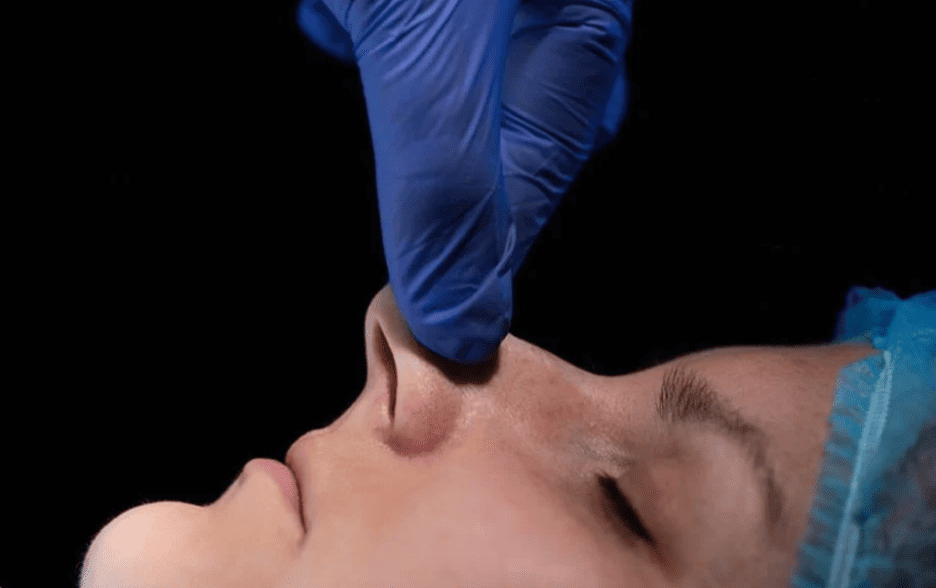
Many patients notice that one nostril seems more open than the other, only for the pattern to reverse a few hours later. This is called the nasal cycle. It happens because tissue inside the turbinates naturally swells and shrinks throughout the day, temporarily changing how much air moves through each side of the nose.
That normal pattern is different from having one nostril that consistently feels blocked. When difficulty breathing stays primarily on the same side, becomes severe, or interferes with sleep and daily activities, a structural or inflammatory problem may be restricting airflow.
A deviated septum is one possible cause. When the cartilage or bone separating the two sides of the nose sits off-center, it can reduce airway space on one side. At Southern California Sinus Institute, Dr. Alen Cohen evaluates persistent nasal obstruction to determine what is limiting airflow and whether septoplasty or another treatment may be appropriate.
Can a Deviated Septum Make It Hard to Breathe Through One Nostril?
Yes. The nasal septum separates the nasal cavity into left and right sides. Its position can influence the amount of airway space available on each side, particularly near the internal nasal valve, one of the narrowest areas of the nasal airway.
A septum may curve toward one side, have an S-shaped deviation, or develop a more localized spur. When the deviation takes up enough space, resistance to airflow can increase on the narrowed side. Breathing difficulty may become more noticeable when surrounding nasal tissues swell because of allergies, irritation, or illness.
Common symptoms associated with a deviated septum can include:
- One-sided nasal obstruction that tends to remain on the same side
- Ongoing difficulty breathing through the nose, particularly when lying down
- Persistent congestion that does not adequately improve with allergy treatment
- Mouth breathing or dry mouth, especially during sleep
- Snoring or noisy breathing at night
- Recurrent sinus symptoms when structural narrowing interferes with normal drainage
The normal nasal cycle can make the difference between the two sides feel more pronounced. As the turbinates naturally swell and shrink, a side that is already narrowed by a deviated septum may temporarily feel even more congested.
Still, persistent one-sided obstruction does not automatically mean the septum is responsible. More than one structural or inflammatory problem can contribute to restricted airflow.
Also Read: Deviated Septum Symptoms You Shouldn’t Ignore
How Do You Know If You Have a Deviated Septum?
Symptoms alone cannot confirm a deviated septum because several nasal and sinus conditions can cause similar breathing problems. An ENT evaluation helps determine whether the obstruction is primarily structural, inflammatory, or a combination of the two.
Your doctor will typically ask when the obstruction began, whether it consistently affects the same side, whether symptoms change with allergy seasons, and whether you have a history of nasal injury or surgery. Obstruction that consistently affects the same side may raise suspicion for a structural cause, although the symptom pattern alone cannot determine what is causing the blockage.
An evaluation may include:
- Nasal examination: The inside of the nose can be examined to assess the septum, turbinates, and other visible structures. A decongestant may sometimes be used to help distinguish tissue swelling from fixed structural narrowing.
- Nasal endoscopy: A small camera allows the ENT to examine areas deeper inside the nasal cavity and assess the septum, turbinates, nasal passages, and sinus drainage areas.
- CT imaging: If chronic sinus disease or another condition involving the sinuses is suspected, imaging may be appropriate.
The findings from this evaluation help determine whether the septum is the primary source of the obstruction or whether another nasal condition also needs to be addressed.
Deviated Septum Repair: When Is Septoplasty Recommended?
Septoplasty is surgery used to correct an obstructing deviation of the nasal septum. It is generally performed through the nostrils, allowing the surgeon to reach the septum without a visible external incision. Deviated portions of cartilage or bone can then be repositioned, reshaped, or removed while preserving the structural support of the nose.
Having a deviated septum does not automatically mean surgery is necessary. Septoplasty may be considered when there is:
- Persistent nasal obstruction despite appropriate medical management
- Difficulty breathing through the nose that affects sleep, exercise, or daily activities
- Structural narrowing confirmed during an examination or nasal endoscopy
- Symptoms that appear to be substantially related to the deviated septum
Nonsurgical treatments such as intranasal steroid sprays or antihistamines can help when allergies or inflammation are contributing to congestion, but they do not change the physical position of the septum. When examination confirms that a septal deviation is significantly contributing to persistent obstruction, septoplasty addresses that structural problem directly.
Also Read: Selecting the Right Surgeon for Septoplasty: Key Considerations
How Septoplasty Can Improve Breathing Through the Nose
During septoplasty, the surgeon corrects the portions of cartilage or bone contributing to the obstruction. The goal is to create more functional airway space on the narrowed side while maintaining adequate structural support of the nose.
How much breathing improves depends in part on whether the septum is the primary source of the obstruction. This is why identifying all significant contributors to restricted airflow before surgery matters.
When Enlarged Turbinates Also Affect Breathing
The turbinates are structures along the sidewalls of the nasal cavity that help warm, humidify, and filter inhaled air. When they become chronically enlarged, they can take up additional airway space and contribute to congestion.
If turbinate enlargement is also restricting airflow, correcting the septum alone may not address the entire obstruction. Depending on the examination findings, turbinate treatment may be discussed along with or separately from septoplasty.
For patients whose septal deviation is a significant source of obstruction, septoplasty can create more room for airflow through the affected side. The degree of improvement depends on individual anatomy and the other factors affecting nasal breathing.
What Is Recovery Like After Deviated Septum Repair?
Some congestion is expected immediately after septoplasty. Even though the structural obstruction has been corrected, swelling inside the nose can temporarily make breathing feel restricted while the tissues heal.
Patients may notice mild discomfort, internal crusting, congestion, and temporary difficulty breathing through the nose. These symptoms can be more noticeable when internal splints or packing are used during the early healing period.
Breathing generally becomes easier as postoperative swelling subsides and healing progresses. The pace of recovery varies between patients, so the final improvement in airflow may not be apparent immediately.
Follow-up appointments allow the surgeon to monitor healing, remove splints when used, and address crusting or other postoperative concerns. Patients should contact their surgeon if they experience heavy or persistent bleeding, fever, worsening pain, increasing swelling, difficulty breathing that seems unusual for the expected recovery period, or other concerning symptoms.
Also Read: What to Expect from Deviated Septum Surgery
When Trouble Breathing Through One Nostril Needs an ENT Evaluation
Persistent trouble breathing through one nostril deserves a closer look when it does not improve with appropriate treatment or begins affecting sleep, exercise, or daily activities. An ENT evaluation can determine where the obstruction is occurring and whether a deviated septum, enlarged turbinates, inflammation, or another nasal condition is contributing.
When a septal deviation is confirmed as an important source of the obstruction, septoplasty may be an appropriate option for improving nasal airflow. Dr. Alen Cohen can evaluate your nasal anatomy and discuss which treatment approach fits your symptoms and examination findings. Please contact Dr. Alen Cohen at Southern California Sinus Institute, a renowned ENT and Nose and Sinus Specialist, in West Hills and Los Angeles for a consultation.
Frequently Asked Questions
Can a Deviated Septum Make It Hard to Breathe Through One Nostril?
Yes. A deviated septum can reduce airway space on one side of the nose and make breathing through that nostril more difficult. The severity of the obstruction depends on the location and extent of the deviation as well as other aspects of nasal anatomy.
How Do You Know If You Have a Deviated Septum or Another Cause of Nasal Obstruction?
An ENT can examine the inside of the nose and review the pattern of your symptoms. Nasal endoscopy may provide a closer look at deeper structures, while CT imaging may be appropriate when chronic sinus disease is also suspected.
How Long Does Recovery After Deviated Septum Repair Take?
Recovery varies according to the procedure and individual healing. Congestion and swelling are expected early on, with nasal breathing generally improving as the tissues heal. Your surgeon can provide a more individualized timeline based on your procedure and recovery.
What Are the Risks and Potential Complications of Septoplasty?
Potential risks include bleeding, infection, persistent nasal obstruction, changes in sensation, scarring, septal perforation, or the need for additional treatment. Your surgeon can explain which risks are most relevant to your anatomy and planned procedure.
Can Septoplasty Help If I Also Have Enlarged Turbinates?
Septoplasty corrects the deviated septum but does not automatically address enlarged turbinates. If both structures are restricting airflow, your ENT may discuss whether turbinate treatment should also be considered.
When Should I See a West Hills ENT for Difficulty Breathing Through One Nostril?
Consider an ENT evaluation when one-sided nasal obstruction persists, does not improve adequately with appropriate treatment, or begins affecting sleep, exercise, or daily activities. An examination can identify the source of the obstruction and help determine the appropriate next step.