
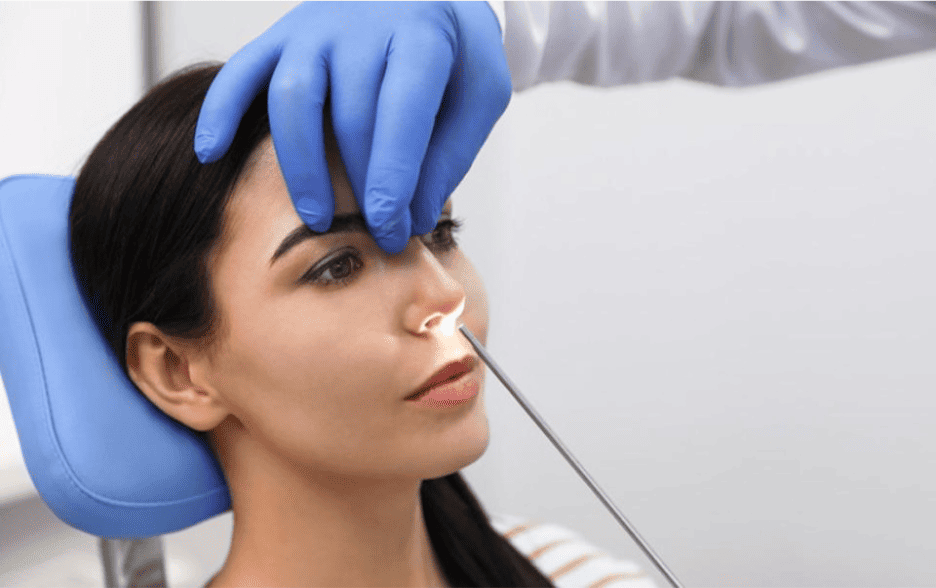
When weighing balloon sinuplasty, many patients are less focused on the procedure and more on when they’ll be able to return to work, exercise, sleep, and everyday routines. Healing after balloon dilation tends to be relatively quick, since the procedure clears blocked sinus passages with minimal tissue removal. Many patients experience some congestion, drainage, pressure, tiredness, or light bleeding during the first couple of days, and these symptoms typically ease as healing continues.
Recovery from balloon sinuplasty tends to follow a general pattern, though the pace and details can differ from one patient to the next. This guide walks through that recovery timeline day by day, giving patients a general sense of what to expect along the way. Southern California Sinus Institute treats patients in West Hills and the greater Los Angeles area who deal with chronic or recurrent sinus problems, and the timeline below reflects common patterns seen across that experience. As always, patients should follow their own doctor’s specific instructions first.
Why Balloon Sinuplasty Recovery Is Often Shorter
Balloon sinus dilation uses a thin tube with a small balloon on the end. The doctor guides the balloon to a blocked sinus opening and slowly inflates it. This clears the passage so that mucus can drain properly. The balloon is then deflated and removed. In many circumstances, no cutting or tissue removal is needed.
This differs from older surgical methods that often required the removal of bone or tissue to achieve the same result. Because balloon sinuplasty disturbs less tissue, many patients feel less pain and need less downtime. This doesn’t mean it is the right choice for every patient. Some people have sinus disease or anatomy that responds better to traditional sinus surgery, so an ENT specialist decides which approach fits your case.
Also Read: How Balloon Sinuplasty Fits Into Long-Term Sinus Care
Balloon Sinuplasty Recovery: Day by Day
Day 0: Procedure Day
On the day of the procedure, expect some pressure, congestion, drainage, and tiredness after the sedation wears off. You may have some bloody discharge, which is normal and should go away within a day. It’s often better to arrange for someone to drive you home, especially if you had sedation.
Plan to rest for the day rather than return to your normal schedule. Keeping your head slightly raised while lying down can help reduce swelling. Follow the exact instructions your doctor gives at discharge, as these are based on your health history.
Days 1–2
There is often ongoing congestion, pressure, and drainage for the first two days. You may experience some discomfort, but this is usually treated with over-the-counter pain relief. Avoid strenuous exercise, heavy lifting, and forceful nose blowing, which can increase sinus pressure.
Use any prescribed sprays, rinses, or medicine as directed. Rushing or rinsing too hard can delay healing. Many patients describe the first couple of days as feeling similar to having a mild cold, with congestion and lower energy while the nose and sinus tissues begin to heal. Rest, fluids, and a quiet schedule can help the most during this time.
Days 3–5
By day three, many patients are feeling much more comfortable, and some are even cleared for light, non-strenuous routines. Feeling better on the outside doesn’t mean healing is completed on the inside. The sinus lining is still repairing itself during this stretch.
Congestion or drainage can still show up, and that is expected. Keep up with saline rinses or other aftercare exactly as instructed; steady care supports steady progress. If your doctor cleared light work or errands, pace yourself and avoid pushing through fatigue.
Days 6–7
In many patients, early symptoms usually improve within a week. Your doctor may allow you to do more, but you may have a few more restrictions on heavy exercise or lifting. This is also a common time for a follow-up visit, during which your doctor can check the healing with a quick nasal exam.
If symptoms worsen or something new and concerning develops, call your doctor instead of waiting. A short call can catch a problem early, which is easier to treat than waiting until it grows. Trust how your body is trending, not a date on a calendar.
Weeks 2–4
The sinus tissue continues to heal well for many patients after they resume normal activities. Full internal recovery takes longer than how you feel from day to day. During this time, many people continue to experience improvement in congestion and drainage. It is not unusual to have some mild persistent symptoms, especially if you had significant sinus inflammation prior to treatment.
During this time, follow-up visits may include a nasal endoscopy to ensure that the passages remain open. Even if you feel fine, keeping these appointments can help you catch any narrowing early, when it is still easy to treat.
Balloon Sinuplasty Recovery Tips
A smooth recovery depends on following your doctor’s instructions. A few habits tend to help many patients:
- Rest during the first few days, then gradually increase activity as your doctor allows.
- Use saline rinses or sprays only as directed. Overuse can irritate healing tissue.
- Take prescribed medicine exactly as instructed, including the full course of any antibiotics.
- Avoid forceful nose blowing, hard exercise, and heavy lifting until you are cleared.
Keep your follow-up visits even when recovery feels simple. Some healing issues are easier to catch on an exam than through symptoms alone.
When to Call Your Doctor
Recovery symptoms are often mild and short-lived. Still, some signs need prompt medical attention. These include heavy or ongoing bleeding, high fever, severe or worsening pain, swelling or vision changes near the eyes, severe headache, or trouble breathing. Your discharge papers may list other warning signs specific to your case.
If something feels wrong, don’t wait to see if it fixes itself. Your treating doctor’s guidance always comes before any general recovery information because your doctor knows your case, anatomy, and what was done during your procedure.
Also Read: Can Balloon Sinuplasty Replace Traditional Sinus Surgery?
Balloon Sinuplasty vs. Traditional Sinus Surgery Recovery
| Factor | Balloon Sinuplasty | Traditional Sinus Surgery |
|---|---|---|
| Approach | Widens passages with a balloon | Removes or reshapes tissue as needed |
| Tissue disruption | Usually limited | Usually greater |
| Recovery | Often shorter | Often longer |
| Best suited for | Selected sinus disease and anatomy | Broader or more complex disease |
| Treatment decision | Needs ENT evaluation | Needs ENT evaluation |
This table provides a general comparison, but the right treatment depends on each patient’s condition and sinus anatomy. Balloon sinuplasty is one treatment option and may be appropriate for some people, while others may need traditional sinus surgery to address more complex disease or structural problems. An ENT evaluation can help determine which approach is most suitable for your situation.
Who Is a Candidate for Balloon Sinuplasty?
Balloon sinuplasty is usually considered for patients with diagnosed chronic or recurrent sinusitis who haven’t found relief through medical treatment, such as medicine or allergy care. According to the American Academy of Otolaryngology–Head and Neck Surgery, a clinical diagnosis of chronic or recurrent sinusitis should be confirmed with nasal endoscopy or a CT scan of the sinuses before this type of treatment is considered. An ENT evaluation often includes a review of your symptoms, a physical nasal exam, and imaging when appropriate to get a clear view of your sinus anatomy before choosing treatment.
Not everyone is a fit for this procedure. Large nasal polyps, complex sinus anatomy, severe disease, or other conditions may call for a different or added treatment. Southern California Sinus Institute works with each patient to determine whether balloon dilation, ongoing medical care, sinus surgery, or a combination of these is the best fit. You can schedule a sinus evaluation to learn which option fits you.
When Will You Notice Improvement?
Recovering from the procedure itself and noticing relief from your usual sinus symptoms are two different timelines. It helps to keep them separate. Right after treatment, swelling from the procedure can hide any benefit for a while, which sometimes leaves patients wondering if anything changed. This early period is not a good measure of the final result.
Many patients begin to feel genuine relief as swelling resolves and drainage improves. How quickly this happens may depend on your diagnosis, sinus anatomy, degree of inflammation, and how well you follow your aftercare plan. The first weeks of patience can be the clearest picture of how the procedure worked for you.
Also Read: What to Expect Before and After Balloon Sinuplasty at Southern California Sinus Institute
Conclusion
One of the biggest misconceptions about balloon sinuplasty is that recovery is either immediate or difficult. In reality, most patients experience a gradual return to normal activities over several days while internal healing continues for several weeks.
If chronic or recurrent sinusitis has been affecting your daily life, it may be time to get a clear answer on your options. Southern California Sinus Institute evaluates each patient to help determine whether balloon sinuplasty, medical management, or another approach may be appropriate. Consider scheduling an evaluation to learn more about your sinus treatment options and discuss your symptoms with an ENT specialist.
Please contact Dr. Alen Cohen at Southern California Sinus Institute, a renowned ENT and Nose and Sinus Specialist, in West Hills and Los Angeles, for a consultation.
FAQs
1. How long does balloon sinuplasty recovery take?
Many patients may return to routine activities within a day or two. Full healing varies by person, procedure, and doctor’s instructions.
2. Is balloon sinuplasty recovery easier than sinus surgery?
It is often less involved because balloon dilation typically causes less tissue disruption. Still, the right choice depends on your own sinus disease and anatomy, not just recovery time.
3. When can I return to work after balloon sinuplasty?
Some patients return to light work within a short time, based on symptoms, job demands, sedation/anesthesia, and doctor clearance.
4. What symptoms are normal after balloon sinuplasty?
Temporary congestion, pressure, drainage, tiredness, and light bloody discharge are common. Report symptoms that are severe, persistent, or worsening.
5. How do I know whether I qualify for balloon sinuplasty?
An ENT specialist reviews your symptoms, past treatment, and sinus anatomy, often with endoscopy or imaging, before deciding if balloon sinuplasty fits you.