
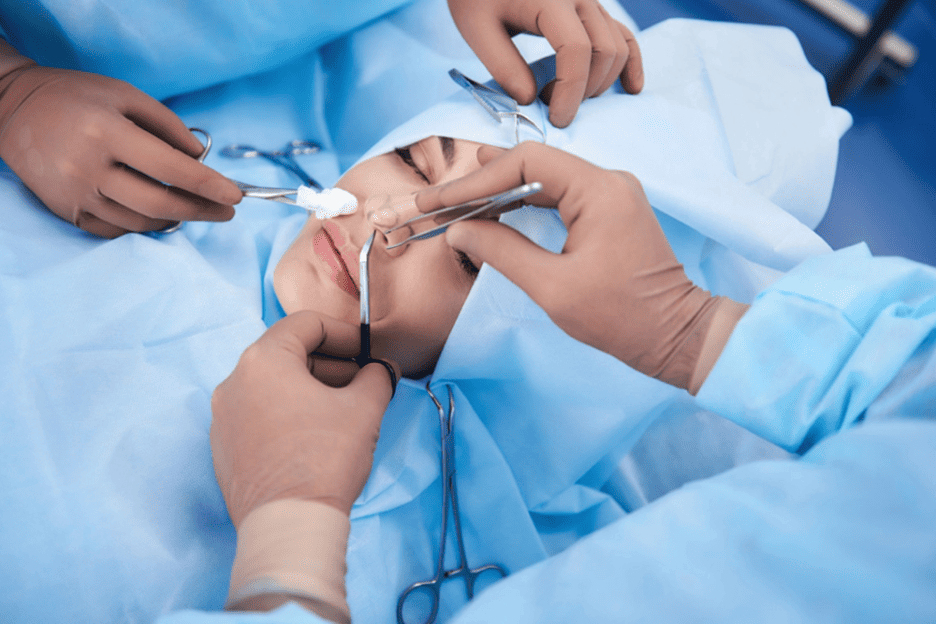
Fear of pain stops many people from getting help for sinus problems. This happens even when stuffiness, face pressure, and repeat infections are already making life hard. If you are thinking about balloon sinuplasty, the experience usually varies. Many patients feel some pressure or discomfort. But anesthesia and the technique are meant to keep that discomfort manageable. During the procedure, a thin tube guides a small balloon into the sinus opening. Patients often describe pressure, fullness, or a sensation of movement rather than sharp pain. After the procedure, some soreness, congestion, or a mild headache is common while the tissue heals. How much a person feels depends on their anatomy, anxiety level, pain tolerance, and the type of anesthesia used.
Southern California Sinus Institute is an ENT practice in West Hills that also serves the greater Los Angeles area. The practice works with patients who have chronic or repeat sinus infections. Many of these patients want to know what balloon sinuplasty feels like before deciding on treatment. This article covers what the procedure feels like, how pain is controlled, what recovery may look like, and how balloon sinuplasty compares with traditional sinus surgery.
What Does Balloon Sinuplasty Actually Feel Like?
During balloon sinuplasty, the ENT guides a thin, flexible tube through the nostril. The tube reaches the sinus opening that needs treatment. A small balloon on the tip is then inflated for a few seconds. This gently widens the passage that lets the sinus drain. After that, the balloon is deflated and removed, leaving a wider opening behind.
Anesthesia can lower the pain felt during this process. But it doesn’t block every feeling. Many patients notice pressure, a sense of fullness, or a pushing feeling as the balloon expands, not actual pain. Some hear or feel a light popping sound as the passage opens. But the experience can vary. A patient’s anatomy, which sinuses are treated, and anxiety level can all change what they feel. Doing more than one procedure at the same time can also change the experience.
Also Read: Nasal Congestion That Lasts: When Balloon Sinuplasty Helps
What Patients Are Often Most Surprised By
Many people expect balloon sinuplasty to be painful because it involves the sinuses. In reality, patients are often more surprised by the sensation of pressure or fullness than by sharp pain during the procedure. It’s also common to expect immediate relief afterward, but mild congestion, swelling, and soreness are a normal part of the healing process. While some patients notice improvements fairly quickly, breathing often continues to improve gradually as inflammation subsides over the days and weeks that follow.
How Is Pain Controlled During Balloon Sinuplasty?
Balloon sinuplasty performed in an office setting is often done under local anesthesia. This numbs the lining of the nose and sinus openings. As a result, patients feel pressure more than pain. Some patients may also get extra medication or light sedation. This depends on the patient’s needs. It also depends on the practice’s approach. The choice is made on a case-by-case basis.
Before the procedure, patients typically have the opportunity to review the anesthesia plan with their ENT, including the medications involved and what to expect at each step. This is also a good opportunity to raise any concerns. Sharing details like past reactions to anesthesia, current medications, allergies, or anxiety about procedures can help shape the overall approach. Southern California Sinus Institute can review anesthesia and comfort options during a pre-procedure visit.
Balloon Sinuplasty vs. Traditional Sinus Surgery: What About Pain?
Many people want to know how balloon sinuplasty pain compares with traditional sinus surgery. The two procedures use different methods, which can affect how recovery feels. Balloon sinuplasty widens the sinus opening with a small inflatable balloon. Traditional sinus surgery may involve removing tissue or bone to treat more advanced disease. Balloon dilation generally disturbs less tissue. Because of this, recovery discomfort and downtime may be lower than with traditional sinus surgery for patients who are good candidates.
| What Patients Compare | Balloon Sinuplasty | Traditional Sinus Surgery |
|---|---|---|
| Procedure approach | Balloon gently widens the sinus opening | May remove tissue or bone when necessary |
| Tissue disruption | Generally limited | Often more extensive |
| Anesthesia | Depends on the procedure and patient | Depends on the procedure and patient |
| Recovery discomfort | Often milder for appropriate candidates | May be more involved |
| Return to normal activities | Many patients return sooner | Recovery may take longer depending on the procedure |
| Best suited for | Selected cases of chronic sinus disease | More complex sinus disease or structural problems |
Balloon sinuplasty should not be seen as automatically less painful. It is also not the better choice for everyone. Some patients need traditional sinus surgery because of their anatomy, nasal polyps, or the advanced stage of their disease. The right choice depends on a full exam by your doctor, not on which option sounds easier.
How Much Pain Should You Expect After Balloon Sinuplasty?
Recovery discomfort tends to follow a loose pattern, though it can vary from patient to patient and is best viewed as a general guide rather than a fixed timeline.
First 24 Hours
In the early recovery period, it is common to feel mild pressure, congestion, or soreness around the nose and cheeks. Tiredness, a dull headache, drainage, or minor blood-tinged discharge can also happen. Following your doctor’s instructions for rest, medication, and nasal care during this time can help keep you more comfortable.
Days 2–3
As healing continues, early discomfort generally eases. Congestion and pressure may still linger while the tissue heals. This is a normal part of recovery, not necessarily a sign of a problem.
Following Days
Many patients gradually return to their usual activities as their doctor advises, though everyone tends to heal at a somewhat different pace. Internal healing may continue even after day-to-day discomfort has largely improved. Research on recovery after balloon sinuplasty has found that many patients return to normal activity sooner than after traditional sinus surgery, though your own timeline is best confirmed with your treating doctor rather than assumed from general findings alone.
Also Read: How Balloon Sinuplasty Fits Into Long-Term Sinus Care
How Is Pain Managed After Balloon Sinuplasty?
- Recovery after balloon sinuplasty is usually straightforward, but following your ENT’s postoperative instructions plays an important role in keeping discomfort manageable and supporting normal healing. While general guidance can be helpful, your recommendations should always reflect your individual procedure and medical history.
- Take only the pain medication your doctor recommends, at the dose and schedule they give you
- Follow instructions on saline sprays, rinses, or other nasal care to support healing and drainage
- Rest during early recovery and hold off on hard activity until your doctor clears you
- Avoid forceful nose blowing or other activities your doctor has asked you to skip
- Go to all follow-up appointments so your doctor can check on your healing
Mild pressure and soreness are often expected. But some symptoms call for a doctor’s visit right away. These include severe or fast-worsening pain, heavy bleeding, or a high fever. Swelling or vision changes around the eyes are also warning signs, as is a severe headache. Contact your doctor for any other urgent symptom listed in your postoperative instructions. Your doctor’s instructions are built around your specific procedure and health history. They should always come before general advice found elsewhere.
What Do “Patient Experiences” Really Tell You?
Reading about other patients’ experiences can provide helpful perspective, but it should never replace an evaluation by an ENT specialist. Every patient’s anatomy, severity of sinus disease, pain tolerance, and treatment plan are different. The number of sinuses treated, the type of anesthesia used, and whether other procedures are performed at the same time can all influence how balloon sinuplasty feels. Patient stories can help set expectations, but they should not be viewed as a prediction of your own experience.
Who Is a Good Candidate for Balloon Sinuplasty?
Balloon sinuplasty is generally considered for patients with chronic or recurrent sinusitis. These are patients who still have symptoms despite trying treatments like antibiotics, nasal steroids, or saline rinses. Figuring out who is a good fit takes more than a short talk. An ENT typically reviews your symptom history and does a nasal exam or endoscopy. They may also order a CT scan to see the inside structure of your sinuses.
Balloon sinuplasty is not the right treatment for every type of sinus disease. Patients with extensive nasal polyps, significant structural blockage, certain anatomical variations, or more advanced chronic sinus disease may benefit more from traditional endoscopic sinus surgery or a combination of procedures. A comprehensive evaluation helps determine which approach is most appropriate based on the underlying cause of your symptoms rather than assuming one procedure is better than another.
Conclusion
For many patients, the anticipation of pain is more stressful than the procedure itself. While balloon sinuplasty is not completely painless, most patients describe pressure, fullness, or mild soreness rather than severe pain. Recovery is typically more comfortable than many people expect, although every experience depends on the extent of treatment, individual anatomy, and the body’s natural healing process.
If concerns about pain have kept you from seeking treatment for chronic sinus problems, a consultation can help you understand whether balloon sinuplasty is appropriate for your condition and what you can realistically expect before, during, and after the procedure. Dr. Alen Cohen and the team at Southern California Sinus Institute provide individualized evaluations, discuss anesthesia and comfort options, and create treatment plans based on each patient’s anatomy and sinus condition.
Please contact Dr. Alen Cohen at Southern California Sinus Institute, a renowned ENT and Nose and Sinus Specialist, in West Hills and Los Angeles, for a consultation.
Also Read: Best ENT for Balloon Sinuplasty in Los Angeles: How to Choose Wisely
FAQs
1. Does balloon sinuplasty hurt?
Even with anesthesia, patients may notice some pressure, fullness, or mild discomfort during the process. Since pain tolerance differs from person to person, the procedure isn’t typically described as completely painless.
2. What does balloon sinuplasty feel like?
As the catheter is guided into place and the sinus opening is gently widened, patients often experience pressure or a slightly unfamiliar sensation.
3. How long does pain last after balloon sinuplasty?
Discomfort tends to be most noticeable in the first few days and gradually improves as recovery progresses. If the pain lingers or worsens, it’s worth reaching out to your doctor.
4. Is balloon sinuplasty less painful than sinus surgery?
Because balloon dilation typically involves less disruption to surrounding tissue, recovery may feel more manageable, though this isn’t the case for everyone. It’s also worth noting that balloon sinuplasty isn’t the right fit for every type of sinus condition.
5. Can I drive myself home after balloon sinuplasty?
Whether you can drive yourself home depends on the type of anesthesia or sedation used during your procedure. Patients who receive sedation typically need someone else to drive them home, while some office-based procedures performed with local anesthesia alone may have different instructions. Your ENT will explain what to expect before your procedure and review any transportation requirements.
6. Will I be able to breathe through my nose right away?
Some patients notice improvement soon after balloon sinuplasty, but temporary swelling and congestion are common during the first several days of recovery. As healing progresses and inflammation subsides, breathing often continues to improve. Your recovery timeline will depend on the extent of treatment and your body’s healing response.