
When “Nasal Congestion” Is More Than a Cold
The constant struggle for a full, comfortable breath is an exhausting reality for millions. You know the drill: chronic stuffiness, the need to breathe through your mouth all night, and an endless cycle of over-the-counter decongestants that offer only fleeting relief. Many people assume this persistent congestion is simply due to allergies, a stubborn cold, or the “dry climate.”
While environmental factors can certainly play a role, the real cause of chronic nasal obstruction is often structural. Nasal obstruction is one of the most common complaints ear, nose, and throat (ENT) specialists treat. It’s an issue that stems from the internal anatomy of the nose, not just inflammation or infection. To truly restore comfortable breathing and prevent recurring sinus issues, an accurate diagnosis is essential.
Understanding How the Nose Works
The nasal cavity is far more than just a passage for air; it’s a sophisticated air-conditioning and filtration system. Air normally flows freely through both nasal passages, but its journey is managed by three key structures:
- Nasal Septum: This thin wall of cartilage and bone divides the nasal cavity into left and right sides.
- Turbinates: These three pairs of scroll-shaped bones are covered in mucosal tissue. They are the nose’s primary air filters, designed to warm, humidify, and clean the air before it reaches your lungs.
- Sinus Openings: These small channels allow mucus to drain efficiently from the sinuses into the nasal cavity.
Deviated Septum: When the Nose’s Midline Isn’t Straight
What It Is
The nasal septum is meant to be perfectly straight, forming a balanced barrier between the two nostrils. A deviated septum occurs when this wall of bone and cartilage is displaced or bent to one side, severely narrowing the airway on that side.
A septal deviation can be congenital (present at birth) or, more commonly, result from an injury or trauma to the nose. Even a minor incident during childhood can cause a deviation that worsens over time.
Also Read: The Dangers of Living with a Deviated Septum
Symptoms
The symptoms are often chronic and localized:
- Persistent congestion, which is often noticeably worse on one side.
- Difficulty breathing through the nose, especially during exercise or sleep.
- Frequent sinus infections occur because the deviation blocks the small sinus drainage openings.
- Snoring or sleep disturbance from limited airflow.
Diagnosis and Treatment
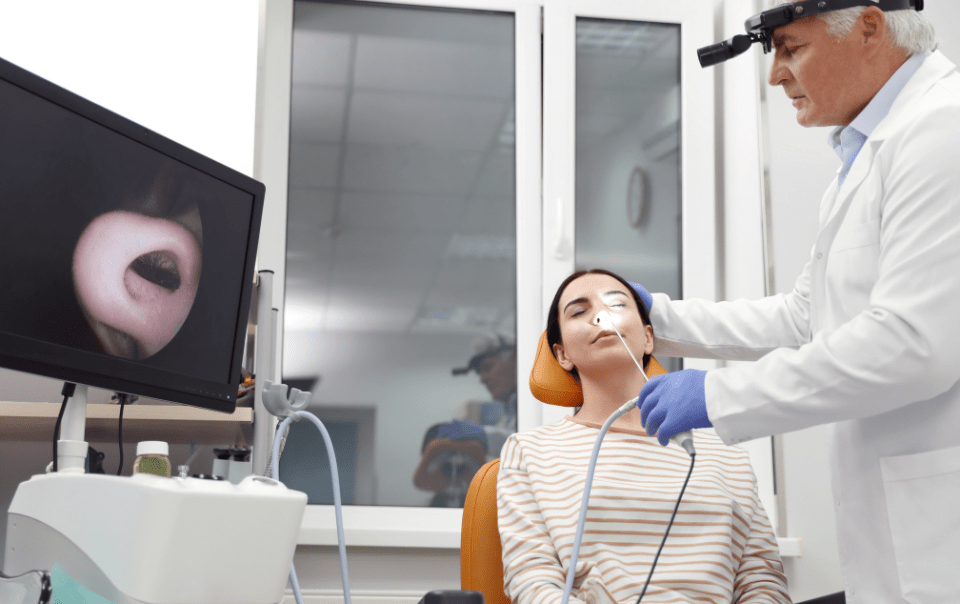
ENT specialists can diagnose a deviation through a quick nasal endoscopy (a scope examination in the office) or CT imaging.
The definitive treatment for a significantly deviated septum is Septoplasty. This is a minimally invasive outpatient surgery performed entirely through the nostrils, there are no external incisions or changes to the shape of the nose. The surgeon straightens or removes the bent portions of the septum to restore balance to airflow. Recovery is typically quick, often providing patients with long-lasting and dramatic improvement in breathing comfort.
Also Read: Chronic Sinusitis and Sinus Surgery: When Conservative Treatment Isn’t Enough
Nasal Polyps: Hidden Growths That Block Airflow
What They Are
Nasal polyps are soft, jelly-like, noncancerous growths that develop from chronic inflammation of the nasal lining or sinuses. They look like peeled grapes and are typically found deep inside the nose, often invisible without an ENT examination.
Polyps are frequently associated with conditions that cause persistent inflammation, such as chronic sinusitis, asthma, or specific allergies. As they grow, polyps can form in clusters, physically blocking both the main airflow and the critical sinus drainage pathways.
Symptoms
The presence of polyps causes distinct symptoms:
- Constant stuffiness or a feeling of “fullness” high up in the nose.
- Reduced or lost sense of smell (anosmia), which is a hallmark symptom.
- Facial pressure or headaches.
- Postnasal drip or a change in voice (nasal-sounding).
Diagnosis and Treatment
Polyps are diagnosed through nasal endoscopy and CT imaging, which show their size and location within the sinus cavities.
First-line treatment is typically medical therapy with corticosteroid sprays or a short course of oral steroids to shrink the polyps. For larger polyps or those that resist medical management, endoscopic sinus surgery is performed. This procedure removes the obstructions and widens the sinus drainage pathways, improving both breathing and the ability of medications to reach the sinuses. Maintenance care, including saline rinses and rigorous allergy control, is crucial to prevent recurrence.
Also Read: Deviated Septum vs. Nasal Polyps: What You Need to Know
Turbinate Hypertrophy: When Nasal Filters Become Overgrown
What It Is
The turbinates are essential for filtering, warming, and humidifying the air. Turbinate hypertrophy occurs when the mucosal tissue covering these bones becomes chronically swollen or permanently thickened.
This swelling is often triggered by chronic irritation from conditions like year-round allergies, air pollution, or even structural crowding caused by a deviated septum. When the turbinates are persistently enlarged, they drastically reduce the available space for air.
Symptoms
Symptoms of enlarged turbinates often fluctuate:
- Alternating nasal blockage (one side feels worse when lying down or turning over).
- Chronic mouth breathing or loud snoring.
- Difficulty breathing through the nose that is persistent despite using decongestants.
- Worsening congestion at night or in dry environments.
Diagnosis and Treatment
An ENT evaluation can determine if the enlargement is temporary (due to active inflammation, which responds to medication) or structural (due to chronic tissue thickening).
Treatments include:
- Allergy management and medicated nasal sprays to reduce inflammation.
- Turbinate reduction procedures, which gently reshape and reduce the tissue volume without removing the turbinate entirely. The goal is to preserve their natural function while dramatically improving airflow.
When Multiple Structural Issues Overlap
It’s important to note that many patients experience more than one of these causes at the same time. For example, a deviated septum and enlarged turbinates are a common pair. When combined, these structural problems amplify symptoms, leading to severe, debilitating congestion, recurrent sinus infections, and poor sleep quality.
A comprehensive ENT evaluation is essential because it identifies all contributing factors. In many cases, combined procedures, such as a septoplasty with turbinate reduction or polyp removal, are performed simultaneously to ensure a single, optimal correction.
The Diagnostic Process: How ENTs Find the Root Cause
Accurate diagnosis is the first, most crucial step toward effective, lasting relief. If you suspect a structural issue, here is what you can expect during an evaluation:
- Detailed Medical History: A review of your chronic symptoms, their duration, and any previous treatments.
- Nasal Endoscopy: A quick, in-office procedure using a small camera to visually assess the nasal passages, septum, turbinates, and sinus openings.
- CT Scan: May be used if deeper sinus structures or the extent of polyps and septum deviation need further evaluation.
- Allergy Testing: Often conducted if inflammation or environmental triggers are suspected to contribute to turbinate swelling or polyp formation.
Treatment Options: From Medication to Minimally Invasive Surgery
Treatment for structural obstruction is highly tailored, depending on the root cause and severity:
- Medications: Nasal corticosteroids, antihistamines, or saline rinses for inflammation-driven issues.
- In-Office Procedures: Quick procedures like balloon sinuplasty or turbinate reduction.
- Endoscopic Sinus Surgery: For polyp removal or to widen natural sinus drainage pathways.
- Septoplasty: The gold standard for structural correction of a deviated septum.
Also Read: Combining Septoplasty with Turbinate Reduction: Should You Do Both?
Long-Term Relief Through Maintenance and Follow-Up
Structural correction provides long-term relief, but maintenance ensures those results last. Regular follow-up appointments allow your ENT specialist to monitor the nasal passages and address any potential tissue regrowth or new obstruction early.
Home care recommendations may include:
- Daily saline rinses to keep the nasal passages clear and moist.
- Diligent management of allergies or environmental triggers.
- Avoiding irritants such as smoke.
Conclusion: Breathe Freely Again with Expert ENT Care
Chronic congestion isn’t something you have to live with. Structural nasal problems are common, but they are also highly treatable once properly diagnosed by a specialist. A bent wall, a few small growths, or thickened tissue are physical issues that require a physical solution.
With the right ENT evaluation and a personalized care plan, you can finally experience the clear, comfortable breathing, better sleep, and improved overall wellness that comes with a functioning nasal airway.
If persistent symptoms are interfering with your sleep or daily comfort, it’s time to find out what’s really blocking your breathing. Please contact Dr. Alen Cohen at Southern California Sinus Institute, renowned ENT and Nose and Sinus Specialist, in West Hills and Los Angeles for a consultation.