
For decades, patients suffering from chronic sinus issues faced a difficult choice: continue managing symptoms with medication or undergo invasive surgery. The prospect of general anesthesia, long recovery times, and significant hospital bills often caused people to delay treatment.
Today, the landscape of sinus care looks different. A shift toward minimally invasive techniques has moved many treatments out of the hospital and into the comfort of the doctor’s office. This transition allows for faster appointments, lower costs, and significantly reduced downtime.
Why Many Sinus Procedures Are Moving Into the Office
The move from the operating room to the clinic suite is driven by demand for convenient, less disruptive care. Patients want relief from chronic congestion and sinus pressure without taking weeks off work.
Also, medical technology has advanced. Tools have become smaller, more maneuverable, and capable of achieving excellent results without the need for aggressive tissue removal. This evolution allows ENT specialists to treat the source of the problem safely using only local anesthesia.
Why Some Sinus Conditions No Longer Require an Operating Room
Improved Imaging and Diagnostic Tools
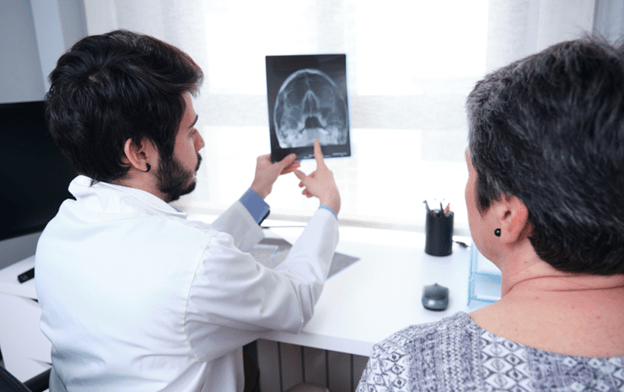
High-definition endoscopic cameras and compact CT scanners allow doctors to visualize the sinus anatomy in real-time. We can identify the exact location of a blockage or structural issue during a standard visit.
Local Anesthesia Advancements
Modern topical anesthetics and numbing agents are powerful. They can completely numb the nasal cavity, allowing the patient to remain awake and comfortable throughout the process. This removes the grogginess and risks associated with general anesthesia.
Specialized Instruments
Instruments designed specifically for in-office use are less invasive than traditional surgical tools. They are often flexible and designed to dilate or reshape rather than cut and remove large amounts of tissue.
Conditions Suitable for Office-Based Care
- Chronic sinusitis that resists medication.
- Recurrent sinus infections occur 2 or more times a year.
- Nasal obstruction and difficulty breathing through the nose.
- Minor deviated septum cases.
- Swollen turbinates.
- Persistent congestion affecting sleep or daily life.
Also Read: Structural Causes of Nasal Obstruction: Deviated Septum, Polyps, and Turbinate Hypertrophy
Balloon Sinuplasty: One of the Most Common In-Office Sinus Treatments
What the Procedure Involves
The physician inserts a small, flexible balloon catheter into the inflamed sinus passage. Once positioned correctly, the balloon is slowly inflated. This action gently expands the sinus opening, restructuring the bone and widening the pathway. The balloon is then deflated and removed.
Why It Works
Chronic sinusitis often stems from narrow drainage pathways that trap mucus and bacteria. By physically widening these openings, the sinuses can drain naturally again. The procedure preserves the nose’s natural structure while resolving the blockage.
Benefits of In-Office Balloon Sinuplasty
- Quick Appointment: The actual procedure often takes less than an hour.
- Local Anesthesia: Patients remain awake but numb, avoiding the side effects of being “put under.”
- Minimal Recovery: Most individuals return to their normal routine within 24 to 48 hours.
Who is a Suitable Candidate?
Candidates typically include those who have been diagnosed with chronic sinusitis and have not found relief through antibiotics, steroids, or nasal sprays.
Also Read: What Makes Balloon Sinuplasty So Popular and Is It Right for You?
Turbinate Reduction Performed in the Office
Methods Used In-Office
- Radiofrequency Ablation (RFA): This method uses radiofrequency energy to heat the tissue beneath the surface of the turbinate, causing it to shrink over time.
- Coblation: This technique uses lower temperatures to reduce tissue volume while preserving the surrounding lining.
- Microdebrider-assisted Submucous Resection: The procedure is performed in the office, under local anesthesia. It is Dr. Cohen’s preferred technique for most patients because it carries the lowest risk of empty nose syndrome.
Improving Nasal Airflow
By reducing the size of the turbinates, the airway opens up. This allows air to pass through freely, reducing the sensation of congestion and helping to alleviate snoring or sleep disruption.
Expected Recovery
Recovery is generally mild. Patients may experience crusting or stuffiness for a few days as the tissue heals, but pain is usually minimal.
In-Office Septoplasty for Select Cases
When Septal Deviation Can Be Treated Outside the OR
If the deviation is located in a readily accessible area, or if the obstruction is caused by a spur, in-office treatment may be possible.
Techniques Used
Minimally invasive tools can reshape or remove small obstructive portions of the cartilage or bone. This is often less extensive than a full surgical reconstruction but can provide significant airflow improvement.
Benefits and Limitations
- Benefit: Avoids the intense recovery and packing often associated with traditional septoplasty.
- Limitation: It is not suitable for complex deformities or deviations that extend deep into the nasal cavity.
Candidate Selection
An ENT evaluation is necessary to determine if your specific anatomy qualifies. If the deviation is severe, an OR approach remains the better route to achieve a functional airway.
Nasal Polyp Management in the Office
Treating Polyps Without General Anesthesia
For patients with a manageable number of polyps or for those who need relief from a specific obstruction, removal can happen in the office.
Microdebrider-Assisted Removal
Doctors use a tool called a microdebrider, which is a small suction device with a rotating tip. It precisely removes the polyp tissue while leaving the healthy lining intact. Topical anesthetics numb the area beforehand.
Symptom Relief
Removing these growths restores the ability to breathe through the nose and can help recover the sense of smell. It also allows nasal sprays to reach the sinus tissue more successfully.
When OR Removal is Required
If the polyps are massive, widespread, or accompanied by complex fungal infections, traditional surgery in an operating room is typically needed to clear the sinuses completely.
Endoscopic Nasal and Sinus Procedures
- Diagnostic Nasal Endoscopy: This is the primary way doctors view the inside of the nose. It guides diagnosis and targeted intervention.
- Biopsies: If a suspicious lesion or growth is found, a small sample can be taken immediately for lab analysis.
- Foreign Body Removal: For children or adults who have an object stuck in the nose, endoscopic tools allow for safe extraction.
- Controlled Drainage: If a sinus is acutely infected and filled with fluid, the doctor can drain it to relieve pressure and pain instantly.
Post-Procedure Recovery: What Individuals Can Expect
Gentle Recovery Timeline
Unlike hospital surgery, which may require days of bed rest, office procedures allow for a quicker bounce back. The body undergoes less trauma, leading to faster healing.
Return to Work
Many patients return to work or school the next day. Some even return the same day, depending on the specific procedure and their job requirements.
Typical Symptoms
It is normal to experience:
- Mild pressure or a ‘head cold’ sensation.
- Temporary congestion due to swelling.
- Light spotting or drainage.
Home-Care Guidance
Doctors usually provide simple instructions, such as using saline rinses to keep the nose clean and avoiding heavy lifting for a short period. Pain is often manageable with over-the-counter medication like Tylenol.
Benefits of Choosing an In-Office Sinus Procedure
- Reduced Cost: Without facility fees and anesthesiologist charges, the overall cost of care is lower.
- Faster Access: Scheduling an office visit is often easier than booking an operating room, meaning relief comes sooner.
- Less Time Away: Minimizing time off work or school is a priority for busy families and professionals.
- Lower Risk: Avoiding general anesthesia reduces the risk of sedation-related complications.
- Comfort: The setting is familiar and less intimidating than a hospital environment.
When an Operating Room Is Still the Right Choice
- Severe Sinus Disease: Extensive disease involving all sinus cavities often requires the comprehensive access provided by general anesthesia.
- Revision Surgeries: Scar tissue from previous surgeries can make the anatomy difficult to navigate, requiring the control of an OR setting.
- Complex Anatomy: Severe deviations or structural abnormalities near the eyes or brain require the resources of a hospital.
- Medical Conditions: Patients with certain bleeding disorders or high anxiety may be safer or more comfortable under general anesthesia.
Also Read: Chronic Sinusitis and Sinus Surgery: When Conservative Treatment Isn’t Enough
Conclusion
The ability to treat sinus conditions in the office has changed the way patients approach nasal health. With safer tools and modern anesthesia options, many individuals can find relief from chronic pressure and congestion without the hurdles of hospital-based surgery.
Choosing the right path depends on your specific medical history, the severity of your symptoms, and a thorough evaluation by an ENT specialist. If you have been living with sinus pain, it is worth investigating whether you are a candidate for these modern, minimally invasive solutions.
Please contact Dr. Alen Cohen at Southern California Sinus Institute, a renowned ENT and Nose and Sinus Specialist, in West Hills and Los Angeles, for a consultation.