
Have you ever had a scan for a headache or dental issue and been told you have a sinus cyst? For many, this can be an alarming discovery, but it’s important to understand what a sinus cyst is and what your options are. While often discovered by chance, knowing when to simply monitor a cyst versus when to seek treatment is important for your long-term sinus health.
What Is a Sinus Cyst?
A sinus cyst is essentially a small, benign, mucus-filled sac that forms within the lining of a sinus cavity. The most common type, a retention cyst, develops when a small mucus gland becomes blocked, causing mucus to build up. These cysts most frequently appear in the maxillary sinus, which is the large air-filled cavity located behind your cheeks. They can be caused by various factors, including chronic sinus inflammation, allergies, and sometimes even dental infections.
It’s important to differentiate a sinus cyst from a sinus tumor. While a cyst is a non-cancerous, fluid-filled sac, a tumor is a solid, abnormal growth that can be either benign or cancerous. An ENT specialist can easily distinguish between the two through imaging and examination.
Sinus Cyst Symptoms and When to See an ENT
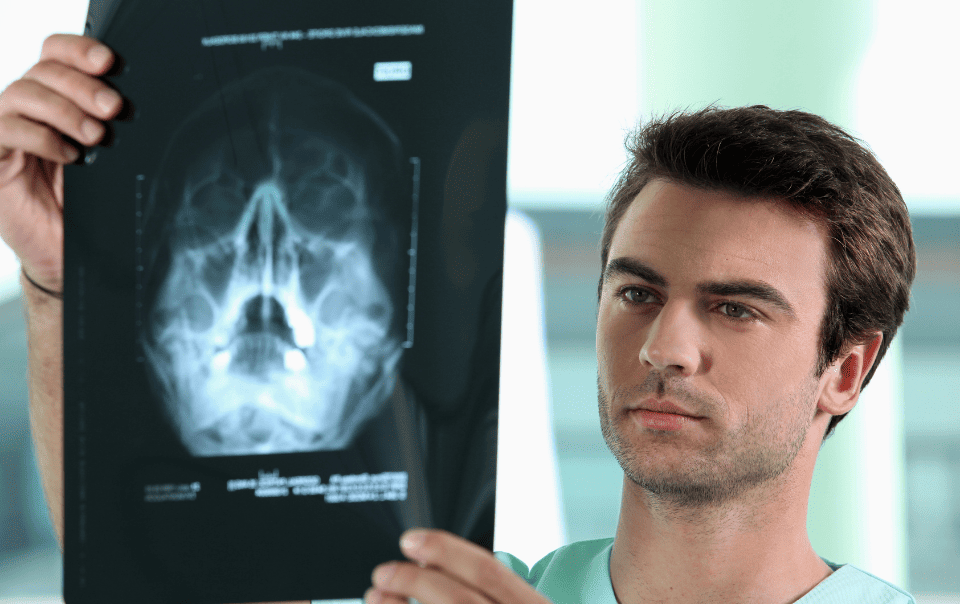
Many people who have a sinus cyst don’t experience any symptoms at all; the cyst is often found incidentally during an X-ray or CT scan performed for an unrelated reason. However, if a cyst grows large enough to obstruct a sinus drainage pathway or press on a nerve, it can cause a variety of symptoms. These can include:
- Postnasal drip.
- Pain in the upper teeth, which are located near the maxillary sinuses.
- Sinus pressure or pain, particularly in the cheek and around the eyes.
- Nasal congestion or a feeling of fullness.
If you are experiencing any of these persistent symptoms, especially if you have been diagnosed with a nasal cyst or sinus cyst, you should seek an evaluation. The question, “Can a sinus cyst cause chronic sinus pressure?” is a common one, and the answer is yes. A large or inflamed cyst can indeed be a direct cause of ongoing sinus pressure and discomfort. If this is the case, it’s time to see a specialist. Finding an ENT in West Hills or an ENT near West Hills for sinus cyst evaluation is the best way to get an accurate diagnosis and treatment plan.
Can Sinus Cysts Go Away on Their Own?
One of the most frequent questions patients ask is, “Do sinus cysts need to be removed? ”The good news is that many sinus cysts are small, harmless, and may not require any treatment at all. Small, symptom-free cysts, particularly those caused by temporary inflammation, can sometimes resolve on their own as the underlying issue clears up.
If a cyst is small and not causing any problems, your doctor may recommend a wait-and-see approach, with periodic imaging to monitor its size and any changes. Spontaneous resolution is more likely if there is no underlying chronic sinus inflammation or obstruction of the sinus drainage pathways.
Also read: Sinus Cysts vs. Sinus Polyps: What’s the Difference and Why It Matters
When Sinus Cyst Surgery May Be Needed
Beyond the scenarios mentioned above, there are other critical indicators that may necessitate sinus cyst surgery. For instance, if the cyst is compromising the function of nearby structures, surgery may be the only viable option. This is particularly true if a large cyst is impinging on the optic nerve, potentially leading to vision problems or even blindness. In such rare but severe cases, the urgency of intervention is paramount to preserve eyesight. Similarly, a cyst that is causing a noticeable deformity of the face or orbit might also require surgical correction, not just for cosmetic reasons but to prevent further structural damage.
Another important consideration is the type of cyst. While many are benign mucosal retention cysts that can be monitored, others, such as mucoceles or odontogenic cysts, may require a more proactive approach. A mucocele is a cyst-like structure that develops when a sinus drainage pathway becomes completely blocked, causing mucus to accumulate and expand within the sinus cavity. These can be quite destructive, eroding bone and expanding into adjacent areas, making surgical removal a necessity. Odontogenic cysts, which originate from the teeth or jaw and can extend into the sinuses, also typically require surgical intervention to address the underlying dental issue and remove the cyst itself.
The decision to proceed with surgery is always a collaborative one between you and your healthcare provider. Your ENT (ear, nose, and throat) specialist will evaluate your specific symptoms, review imaging studies like CT or MRI scans, and consider your overall health to determine the best course of action. They will discuss the potential risks and benefits of surgery, as well as alternative treatments, ensuring you are fully informed before making a decision. The presence of a cyst alone isn’t an automatic trigger for surgery; it’s the combination of its size, location, type, and the symptoms it is causing that ultimately guides the treatment plan.
Functional Endoscopic Sinus Surgery (FESS)
During the FESS procedure, your surgeon will use a small, lighted camera (endoscope) to navigate through your nasal passages to the affected sinus. This allows for a detailed and magnified view of the area without the need for large external incisions. Specialized instruments are then used to carefully dissect and remove the cyst. An important part of the procedure is also widening the natural drainage openings of the sinuses. This not only helps to prevent the cyst from recurring but also improves ventilation and drainage, reducing the likelihood of future sinus infections. The recovery from FESS is generally much quicker and less painful than traditional open sinus surgery, with most patients experiencing a significant improvement in their symptoms within a few weeks.
Also read: How Minimally Invasive Functional Endoscopic Sinus Surgery Can Alleviate Nasal Congestion
Non-Surgical Management and Prevention
For cysts that are not causing major symptoms, there are several effective treatment for sinus cyst without surgery options. These are often focused on managing the underlying inflammation that might be contributing to the cyst’s presence or growth.
- Treating underlying allergies and inflammation: Nasal steroid sprays and allergy management can reduce swelling in the sinus lining.
- Saline rinses: Regular use of saline rinses or nasal irrigation can help keep the sinuses clean and healthy.
- Antibiotics: If the cyst is associated with a bacterial infection, antibiotics may be prescribed to clear it up.
Regular monitoring with an ENT is important to ensure that the cyst remains stable and doesn’t begin to cause issues.
Prevention and Long-Term Sinus Health
Preventing sinus cysts often comes down to maintaining good overall sinus health. This includes:
- Managing allergies to reduce inflammation.
- Avoiding irritants like cigarette smoke, which can inflame the sinus linings.
- Staying hydrated and using a humidifier in dry climates to keep mucus thin and flowing.
- Promptly treating sinus infections and dental issues before they can lead to chronic inflammation.
Also read: Preventing Recurrent Sinus Infections: Essential Tips and Tricks
Conclusion
Many sinus cysts are harmless and don’t require surgical intervention. They may even go away on their own. However, when a cyst is causing significant symptoms like chronic sinus pressure or recurring infections, surgical removal may be the best course of action. The key is to get a professional evaluation from an experienced ENT specialist who can help you determine the right path for your specific situation.
If you have a sinus cyst and are concerned about your symptoms, or if you simply want a professional opinion, contact the experts at Southern California Sinus Institute today.
Please contact Dr. Alen Cohen at Southern California Sinus Institute, renowned ENT and Nose and Sinus Specialist, in West Hills and Los Angeles for a consultation.