
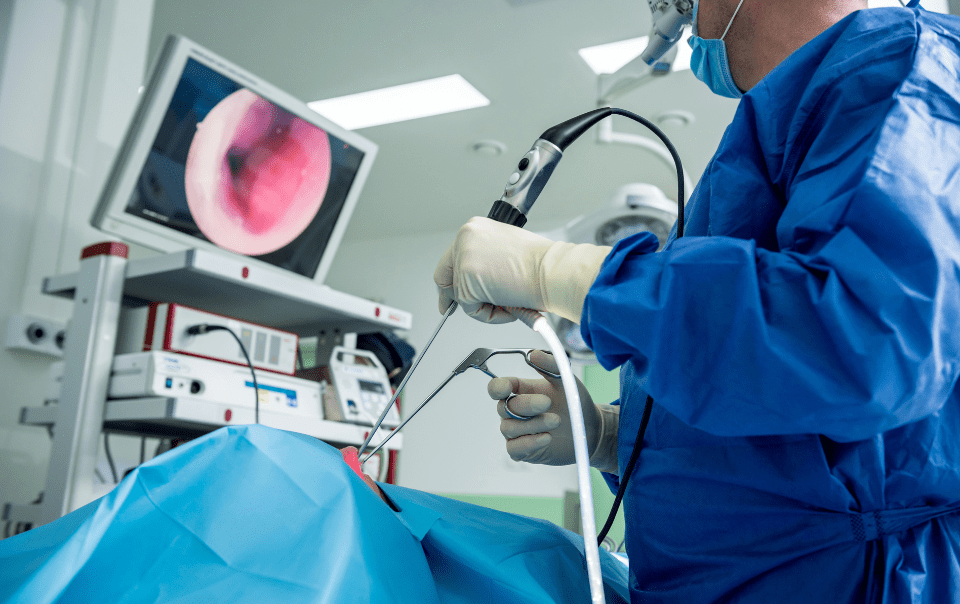
When Sinus Surgery Doesn’t Deliver Full Relief
It’s completely understandable to feel discouraged and frustrated when chronic sinus symptoms return after what you hoped would be a permanent fix. Many patients expect their first Functional Endoscopic Sinus Surgery (FESS) to resolve their issues once and for all. While FESS is a highly effective, minimally invasive procedure with a high success rate for treating chronic sinusitis, a small percentage of patients experience persistent or recurring symptoms. For these individuals, the relief is either incomplete or short-lived.
This is where the concept of revision sinus surgery comes in. A revision procedure is a second, highly targeted surgery designed to correct underlying or new anatomical and inflammatory issues that have developed.
Understanding the Goal of Sinus Surgery
To appreciate why a revision is sometimes needed, it helps to revisit the main goals of the initial sinus surgery:
- Restore Normal Drainage Pathways: The primary aim is to safely enlarge the natural openings of the sinuses, especially the pathways where the mucus drains.
- Remove Obstructions: This involves clearing out blockages such as inflamed, thickened tissue (mucosa) or nasal polyps.
- Reduce Inflammation and Prevent Recurrent Infections: By creating an open, healthy sinus environment, the surgery allows for better airflow and, critically, enables medicated treatments—like nasal rinses and sprays—to effectively reach and clean the sinus linings.
Also Read:Can Sinus Surgery Help With My Chronic Sinusitis? Common Questions Answered
Why Some Patients Need Revision Sinus Surgery
Incomplete Opening of Sinus Pathways
Sometimes, despite the surgeon’s best efforts, the sinus openings were not enlarged enough in the initial procedure. Scar tissue or challenging natural anatomical limitations may restrict airflow and mucus drainage, trapping infection.
Regrowth of Nasal Polyps
This is one of the most common reasons for repeat surgery. Nasal polyps are non-cancerous growths driven by chronic inflammation. They tend to regrow, particularly in patients with underlying inflammatory conditions like asthma, severe allergies, or aspirin-exacerbated respiratory disease (AERD). When polyps regrow to the point of blocking the sinus cavities, revision surgery is required to clear them and restore function.
Postoperative Scarring (Synechiae)
As the nasal passages heal after surgery, scar tissue can form. These fibrous adhesions, known as synechiae, can unintentionally bridge and close areas that were surgically opened, effectively blocking mucus flow again and creating a perfect environment for infection.
Persistent Inflammation and Infection
Underlying systemic issues—such as untreated allergies, immune dysfunction, or the presence of tough biofilm-forming bacteria—can continue to drive inflammation and infection even after the structural problem has been addressed. Revision surgery may be needed to remove infected tissue or debris that standard medication has failed to resolve.
Missed or Inaccessible Sinus Cavities
Certain sinuses, such as the frontal (above the eyes) or sphenoid (deep in the head), can be more difficult to access during initial surgery due to their location. If disease persists there, a revision procedure allows for better visualization and complete treatment using advanced techniques.
Structural Issues or Deviated Septum
If an underlying structural problem like a deviated septum or turbinate hypertrophy (enlarged structures in the nose) was not fully corrected, airflow problems may persist and contribute to the recurrence of symptoms.
Also Read: Warning Signs You Could Benefit From Revision Sinus Surgery
How ENT Specialists Diagnose the Need for Revision Surgery
A detailed re-evaluation is essential before considering a second procedure. A skilled ENT specialist won’t simply recommend another surgery without thoroughly investigating the current problem. This comprehensive diagnosis includes:
- CT Scan of the Sinuses: This provides a detailed look at the bone and soft tissue, assessing residual blockage, new polyps, scar tissue, and the extent of the disease.
- Nasal Endoscopy: Using a tiny camera, the ENT doctor visualizes the nasal cavity and the prior surgical site to see the sinus openings, check for scarring, and look for active infection or polyps.
- Allergy and Immune Testing: Uncovering underlying triggers, such as allergies or immune deficiencies, is important because inflammation often drives recurrence.
What Revision Sinus Surgery Involves
Revision procedures are typically more precise and targeted than the first surgery. They demand a greater degree of surgical experience and expertise due to the altered anatomy from the prior operation, which can make landmark identification more challenging.
Surgeons performing a revision focus on refinement, not just redoing the initial work. They concentrate on:
- Reopening narrowed or scarred sinus passages with micro-surgical precision.
- Removing new polyps or residual diseased tissue that was missed or has regrown.
- Improving access for essential ongoing medical therapy (such as saline rinses or steroid sprays) to reach the necessary areas.
Improving Outcomes the Second Time
The key to long-term success after a revision procedure lies in a multifaceted approach that addresses the true root cause, not just reopening the sinuses.
ENT specialists take specific steps to maximize healing and reduce recurrence, including:
- Aggressive Postoperative Care: Prescribing specific postoperative care plans with targeted saline irrigation and topical steroid applications to control inflammation and prevent scar formation.
- Targeted Medical Therapy: Initiating allergy management or immunotherapy for patients with inflammatory triggers, or prescribing newer medications like biologics (for severe inflammatory conditions) to manage chronic polyp disease.
- Ongoing Follow-up: Regular follow-up visits are essential to monitor healing, clear crusting, and ensure the surgical openings remain patent.
How Revision Surgery Differs from the First Procedure
- Precision and Experience: Revision surgery requires heightened precision and specialized surgical expertise, as the nasal passages are no longer in their native state.
- Technology: Surgeons frequently utilize image-guided technology (like a GPS system for the sinuses) to safely navigate the delicate, altered areas and avoid vital structures, ensuring accuracy where anatomical landmarks may be obscured by scar tissue.
- Goal: The aim is not to “redo” the first surgery but to enhance and refine what was already accomplished, focusing specifically on the points of failure or recurrence.
- Recovery: Recovery is often similar or slightly shorter than the initial procedure since less extensive tissue removal is typically needed; the procedure focuses only on the areas that have been re-obstructed or have residual disease.
Patient Candidates for Revision Sinus Surgery
You may benefit from a specialized revision evaluation if you:
- Still experience significant facial pain, pressure, or congestion after your first surgery.
- Have recurring sinus infections several times a year.
- Notice a loss of smell or a persistent postnasal drip that hasn’t resolved.
- Rely on daily medications (like antibiotics or oral steroids) with only temporary relief.
- Have diagnostic imaging that clearly shows blocked sinus openings or significant tissue regrowth.
The Role of Long-Term Sinus Management
It’s vital to understand that surgery—whether it’s the first or the second—rarely cures chronic sinus disease alone. Chronic sinusitis is a long-term medical condition that requires a partnership between the patient and the ENT specialist for sustained results.
Long-term management often includes:
- Daily Saline Rinses (often with added steroids).
- Intranasal Corticosteroids or, for severe cases, Biologic Medications.
- Strict avoidance of environmental irritants like smoke or heavy pollution.
- Controlling allergies through medication or immunotherapy.
Alternatives to Revision Surgery
For mild or moderate recurrent cases, nonsurgical interventions may be explored before immediately moving to another operation:
- In-Office Balloon Sinuplasty: This minimally invasive technique can be used to reopen small, isolated blockages without the need for a full operating room procedure.
- Image-Guided Sinus Cleaning Procedures: Regular, targeted in-office cleaning and debris removal under local anesthesia.
- Biologic Medications (e.g., Dupixent): These powerful, injectable drugs target the underlying inflammation for severe chronic polyp disease, often reducing the need for repeat surgery.
Also Read: Effective Treatments for Chronic Sinusitis
What Patients Can Expect After Revision Surgery
Recovery is generally manageable, typically involving mild congestion and drainage for one to two weeks. Postoperative visits are critical to ensure proper healing and actively prevent the formation of new scar tissue. Most patients notice significant improvement in breathing, pressure relief, and the frequency of infections within a few weeks. Long-term follow-up remains key to maintaining results and catching any early signs of recurrence.
Conclusion: Restoring Lasting Sinus Relief
Revision sinus surgery is not an admission of failure but a demonstration of refinement and precision in treating a complex medical condition. For patients whose first surgery didn’t provide lasting relief, it offers a pathway to finally resolve the issues that remain.
With the right comprehensive diagnosis, surgical expertise tailored to your unique anatomy, and a dedicated aftercare plan, most patients experience profound, long-lasting relief and a significantly improved quality of life. If you are struggling with persistent or recurring symptoms after previous sinus surgery, don’t lose hope. Chronic sinus issues can be resolved when the true underlying cause is identified and treated correctly. We encourage you to seek a comprehensive ENT evaluation to explore your best options for achieving sustained sinus health.
Please contact Dr. Alen Cohen at Southern California Sinus Institute, renowned ENT and Nose and Sinus Specialist, in West Hills and Los Angeles for a consultation.