
Orthopedic Torrance Advanced Hip, Knee, and Joint Pain Treatment
Orthopedic Surgeon Torrance – Comprehensive Joint and Sports Injury Care
Joint pain is one of the most common reasons people seek medical care as they age. For some individuals, the discomfort begins gradually as stiffness in the knee after physical activity or mild soreness in the hip after long walks. For others, symptoms may appear suddenly following a sports injury, fall, or accident. Regardless of how it begins, persistent joint pain can significantly affect mobility, physical activity, and overall quality of life. Even everyday movements such as standing up from a chair, walking short distances, or bending down may become uncomfortable when a joint is affected.
Orthopedic medicine focuses on diagnosing and treating conditions that affect the musculoskeletal system. This system includes bones, joints, cartilage, ligaments, tendons, and muscles that work together to support movement and stability. When one part of this system becomes injured or begins to deteriorate, surrounding structures may compensate for the damage. Over time, this can place additional stress on nearby tissues and joints, potentially leading to inflammation, reduced range of motion, and ongoing discomfort.

Patients seeking orthopedic care in Torrance often experience symptoms that interfere with daily activities. Knee pain may make it difficult to climb stairs or walk long distances comfortably. Hip discomfort can limit physical activity or cause stiffness after prolonged sitting. Some individuals also notice swelling around the joint or decreased flexibility during movement. In many cases, joint pain develops slowly as cartilage wears down over time. In others, injuries such as ligament tears or cartilage damage may trigger symptoms that require medical evaluation.
Orthopedic specialists evaluate the entire joint structure to determine the underlying cause of pain. This evaluation typically includes a physical examination, review of medical history, and imaging studies such as X-rays or MRI scans. Physicians also assess how the joint moves and whether instability or structural damage is present. Identifying the source of symptoms allows physicians to recommend treatments that address the root cause.
Treatment options vary depending on the condition and severity of joint damage. Some patients improve with conservative treatments such as physical therapy, injections, or activity modification, while others may benefit from minimally invasive procedures or joint replacement surgery. For individuals experiencing knee pain, hip discomfort, arthritis symptoms, or sports injuries, an orthopedic evaluation can help clarify the condition and guide appropriate treatment options.
Orthopedic Care in Torrance
Orthopedic medicine focuses on restoring function and mobility to joints affected by injury, disease, or degeneration. The musculoskeletal system supports nearly every movement of the body, from walking and bending to lifting and exercising. When joints or surrounding tissues become injured or inflamed, these movements can become painful and difficult.
Orthopedic specialists diagnose and treat conditions affecting bones, joints, ligaments, tendons, and muscles. Each component of the musculoskeletal system plays a role in maintaining stability and allowing coordinated movement. Damage to any one of these structures may disrupt joint function and lead to symptoms such as pain, swelling, or instability.
Many people seek care from an orthopedic doctor in Torrance after noticing persistent symptoms that interfere with daily life. Morning joint stiffness, swelling after activity, or difficulty moving the knee or hip may indicate underlying structural problems within the joint.
Common symptoms that prompt orthopedic evaluation include:
- persistent joint pain
- swelling around a joint
- stiffness that limits the range of motion
- difficulty walking or standing for long periods
- joint instability
- sports-related injuries
Orthopedic physicians assess these symptoms through physical examination and imaging studies. Identifying the cause of pain is essential because different orthopedic conditions require different treatment approaches. Some injuries may heal with rehabilitation, while others require surgical intervention to restore stability and function.
Early evaluation often allows physicians to address problems before they worsen. With proper treatment, many orthopedic conditions can be managed successfully, allowing patients to return to their normal activities.
Common Orthopedic Conditions Treated
Orthopedic specialists treat a wide range of musculoskeletal disorders that affect the joints and surrounding structures. Some conditions develop gradually due to aging or repetitive stress, while others occur suddenly following injury.
Among the most common orthopedic problems affecting patients are knee conditions, hip disorders, and arthritis-related joint degeneration.
Knee Conditions
The knee joint plays a critical role in supporting body weight and enabling movement. Because it absorbs significant stress during everyday activities such as walking, running, and climbing stairs, the knee is particularly susceptible to injury and degeneration.
Several different conditions can affect the knee joint.
Knee arthritis is one of the most common causes of chronic knee pain. In osteoarthritis, the cartilage that cushions the joint gradually wears down. Without this protective layer, bones begin to rub together, leading to pain, swelling, and stiffness.
Meniscus tears are another frequent knee injury. The meniscus is a cartilage structure that acts as a shock absorber within the joint. When the meniscus is torn, patients may experience swelling, limited range of motion, or a sensation of locking in the knee.
Ligament injuries, such as ACL or MCL tears, are common among athletes and physically active individuals. These injuries can cause knee instability and difficulty bearing weight.
Cartilage damage may also occur from injury or degeneration. When cartilage becomes damaged, the smooth surface of the joint is disrupted, leading to pain and inflammation.
Symptoms of knee conditions often include swelling, stiffness, instability, and difficulty bending or straightening the knee.
Hip Conditions
The hip joint is one of the body’s largest and most stable joints, yet it is still vulnerable to injury and degenerative changes. Because the hip supports body weight during standing and walking, damage to this joint can significantly affect mobility.
Hip arthritis occurs when cartilage within the joint gradually deteriorates. Patients may experience groin pain, stiffness, and difficulty performing activities such as walking or climbing stairs.
Hip labral tears involve damage to the cartilage ring surrounding the hip socket. These injuries may cause clicking sensations or pain during movement.
Hip impingement occurs when abnormal contact between the femur and the hip socket damages joint structures over time. This condition may lead to stiffness and reduced mobility.
As hip degeneration progresses, everyday activities such as walking, bending, or standing for extended periods may become increasingly uncomfortable.
Joint and Arthritis Conditions
Arthritis is one of the most common causes of chronic joint pain, particularly in weight-bearing joints such as the knees and hips. Several types of arthritis can affect joint health, including osteoarthritis, rheumatoid arthritis, and degenerative joint disease.
Osteoarthritis develops gradually as cartilage within the joint wears down over time. Cartilage normally acts as a protective cushion between bones, allowing the joint to move smoothly. As this cartilage deteriorates, the protective surface becomes thinner, and bones may begin to rub against each other during movement.
Rheumatoid arthritis differs from osteoarthritis because it is an autoimmune condition. In this disease, the immune system mistakenly attacks the lining of the joints, causing inflammation that can damage cartilage and surrounding tissues. Over time, this inflammation may lead to joint pain, swelling, and stiffness.
Degenerative joint disease is another term often used to describe progressive cartilage deterioration within a joint. As cartilage breaks down, the joint loses its smooth movement, and friction between bones increases. This process can lead to persistent pain, swelling, stiffness, and reduced range of motion.
Although arthritis cannot always be reversed, orthopedic treatments can help manage symptoms, reduce inflammation, and improve joint function, helping patients maintain mobility and remain active.
Advanced Orthopedic Treatments
Modern orthopedic care includes a wide range of treatment approaches designed to relieve pain, restore joint function, and improve mobility. Advances in orthopedic medicine have significantly expanded the options available to patients experiencing joint pain, arthritis, or sports-related injuries. Today, orthopedic specialists can often combine non-surgical therapies with advanced surgical techniques to address joint damage more effectively and support long-term joint health.
Treatment plans are carefully developed after evaluating several important factors. These include the severity of joint damage, the patient’s activity level, overall health, and long-term treatment goals. A person who participates in high levels of physical activity may require a different treatment strategy than someone whose primary goal is to walk comfortably without pain.
In many situations, physicians begin with conservative treatments before recommending surgery. These approaches may help reduce inflammation, strengthen supporting muscles, and improve joint stability. However, when joint damage becomes more advanced or symptoms continue to interfere with daily activities, surgical procedures may offer the most effective way to restore function and relieve persistent discomfort.
Modern orthopedic treatment strategies focus not only on relieving pain but also on restoring mobility and helping patients return to activities important to their daily lives.
Arthroscopic Surgery
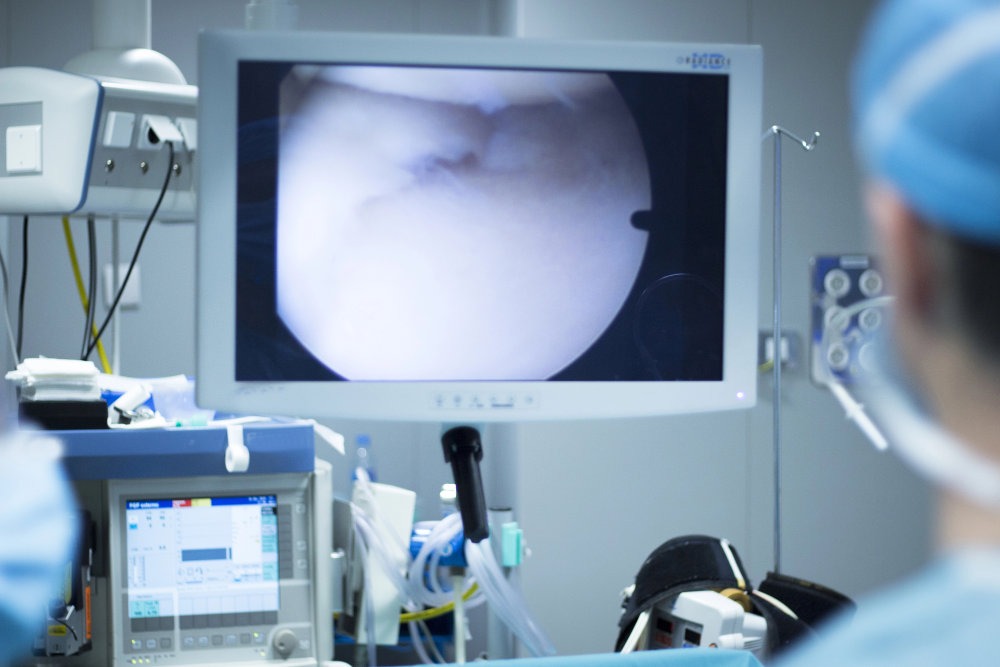
Minimally invasive procedures such as arthroscopic surgery allow orthopedic surgeons to diagnose and treat joint conditions using small incisions and specialized instruments. This technique has become a widely used approach for addressing many common orthopedic problems affecting the knee, shoulder, and other joints.
During arthroscopy, a small camera known as an arthroscope is inserted into the joint through a tiny incision. The camera provides detailed images of the joint’s internal structures, allowing the surgeon to view cartilage surfaces, ligaments, and other tissues in real time. These images guide the surgeon in identifying damaged structures that may be contributing to pain or instability.
Using specialized surgical instruments inserted through additional small openings, surgeons can treat cartilage damage, repair ligament injuries, and address meniscus tears. In many cases, damaged or inflamed tissue can be removed while preserving healthy joint structures.
Because arthroscopic procedures involve smaller incisions than traditional open surgery, they often result in less disruption to surrounding tissues. Many patients experience shorter recovery periods and can begin rehabilitation sooner. Physical therapy following arthroscopic surgery often focuses on restoring strength, flexibility, and joint stability so patients can return to normal movement safely.
PRP and Biologic Therapy
Advances in orthopedic medicine have introduced biologic treatments that aim to support the body’s natural healing processes. One example is PRP therapy, which uses platelet-rich plasma derived from the patient’s own blood.
Platelets contain important growth factors that help stimulate tissue repair and play a role in the body’s natural healing response. During PRP therapy, a small blood sample is collected and processed in a specialized device that separates and concentrates the platelets. The platelet-rich plasma is then injected into the injured area.
Biologic treatments such as PRP therapy may help support healing in injured tendons, ligaments, and certain joint tissues. These treatments may also help reduce inflammation in areas where tissue irritation or degeneration is contributing to pain.
PRP therapy is sometimes used for tendon injuries, mild-to-moderate joint degeneration, or certain sports-related injuries. Although biologic treatments are not appropriate for every orthopedic condition, they may be considered as part of a broader treatment plan designed to support tissue healing and improve joint function.
Robotic Joint Replacement
Technological advances have improved the accuracy of modern joint replacement procedures. One of the most significant developments in recent years is the use of robotic-assisted systems to help surgeons plan and perform joint replacement surgery with greater precision.
Robotic knee replacement technology allows surgeons to create a detailed three-dimensional map of the patient’s joint before the procedure begins. This advanced imaging helps physicians carefully plan the surgical approach and determine the optimal placement of joint implants.
During the procedure, the robotic system provides guidance to assist the surgeon in preparing bone surfaces and positioning implants with high accuracy. Although the surgeon remains fully in control of the procedure, the robotic system can support precise movements and help maintain alignment throughout the surgery.
Improved implant positioning may contribute to more natural joint motion and help support the long-term durability of the joint replacement. For many patients with advanced arthritis, robotic-assisted joint replacement represents an important advancement in orthopedic surgical care.
Joint Replacement Surgery
Joint replacement surgery may be recommended when severe arthritis or joint damage causes persistent pain that interferes with daily activities and no longer responds to conservative treatments. Over time, the protective cartilage that cushions the ends of bones can wear down. When cartilage deteriorates significantly, bones may begin to rub together during movement.
This friction can lead to pain, stiffness, swelling, and reduced mobility. Everyday activities such as walking, climbing stairs, or standing for long periods may become increasingly difficult.
During joint replacement procedures, the damaged cartilage and portions of bone are removed and replaced with artificial components known as prosthetic implants. These implants are designed to recreate the smooth surfaces of a healthy joint and allow the bones to move comfortably against each other.
Joint replacement surgery is most commonly performed for individuals with advanced arthritis affecting the knee or hip. When successful, the procedure can significantly reduce pain and improve mobility, allowing many patients to return to daily activities with greater comfort.
Total Knee Replacement
In advanced cases of knee arthritis, total knee replacement may be recommended. This procedure involves removing damaged cartilage and portions of bone from the knee joint and replacing them with carefully designed prosthetic components.
These components are shaped to replicate the natural motion of the knee joint and help restore smooth movement. The goal of the procedure is to reduce arthritis-related pain and improve the patient’s ability to perform everyday activities.
Knee replacement surgery has become one of the most commonly performed orthopedic procedures for patients with severe knee arthritis. After surgery, rehabilitation and physical therapy play an important role in recovery. Strengthening the muscles around the knee and gradually restoring the range of motion can help patients regain stability and mobility.
Many individuals experience significant improvements in walking ability, standing tolerance, and overall quality of life after recovering from knee replacement surgery.
Total Hip Replacement
Patients with severe hip degeneration may benefit from total hip replacement. The hip joint is a ball-and-socket structure that allows the leg to move in multiple directions. When arthritis damages the cartilage within this joint, movement can become painful and restricted.
Total hip replacement surgery involves removing the damaged portions of the hip joint and replacing them with artificial components that replicate the natural ball-and-socket structure. These components are designed to allow the joint to move smoothly while reducing friction between the bones.
Many patients who undergo hip replacement surgery experience substantial improvements in walking ability and daily mobility. Pain caused by severe arthritis often decreases significantly after the joint surfaces have been replaced.
Rehabilitation following hip replacement typically focuses on strengthening surrounding muscles and restoring normal movement patterns. With proper recovery and rehabilitation, many individuals are able to return to walking, recreational activities, and daily routines with improved comfort.
Sports Injury Treatment
Orthopedic specialists frequently treat sports-related injuries that affect joints, ligaments, cartilage, and surrounding tissues. Athletes and physically active individuals may develop injuries such as ligament tears, cartilage damage, joint instability, or overuse injuries from repetitive stress on the joints.
Injuries may occur suddenly during activities, such as running, jumping, or contact sports. In other situations, repeated movements over time may gradually place strain on tendons and ligaments, eventually leading to inflammation or structural damage.
Evaluation of sports injuries typically includes a physical examination and, when necessary, imaging studies to assess the extent of damage within the joint. Orthopedic specialists also evaluate the patient’s level of physical activity, training demands, and long-term mobility goals when determining the most appropriate treatment approach.
Treatment options vary depending on the severity of the injury. Some patients recover with conservative treatments such as rest, rehabilitation exercises, or structured physical therapy programs designed to restore strength and joint stability. In more severe cases involving ligament damage, cartilage injuries, or persistent joint instability, surgical treatment may be recommended to repair damaged structures and restore proper joint function.

Non-Surgical Orthopedic Treatments
Surgery is not always necessary for orthopedic conditions. Many patients improve with conservative treatments that focus on reducing inflammation, strengthening supporting muscles, and improving joint stability.
These treatments may include PRP therapy, joint injections, physical therapy, activity modification, and rehabilitation programs designed to support joint recovery. Physicians often recommend non-surgical treatments as an initial step before considering surgical intervention.
Physical therapy plays an especially important role in restoring joint strength and mobility. Strengthening the muscles that surround a joint can help reduce stress on injured tissues and improve overall stability. Rehabilitation programs may also include flexibility exercises and movement training designed to improve function.
Many patients experience meaningful improvements in pain and mobility through these conservative approaches. When successful, non-surgical treatments may delay or eliminate the need for surgical procedures.
When to See an Orthopedic Specialist
Persistent joint pain should not be ignored. Symptoms that continue for several weeks or interfere with daily activities may indicate structural problems within the joint that require evaluation.
Individuals may benefit from orthopedic assessment if they experience chronic knee pain, hip discomfort, swelling around a joint, stiffness that limits movement, difficulty walking, sports injuries, or joint instability. These symptoms may suggest damage to cartilage, ligaments, or other joint structures.
Early evaluation often allows physicians to diagnose conditions before they worsen. Identifying joint problems at an earlier stage may make it possible to manage symptoms more effectively and help preserve joint function over time.
Orthopedic Evaluation and Diagnosis
Orthopedic evaluation typically begins with a detailed discussion of symptoms and medical history. Physicians ask when the pain began, whether an injury occurred, and which activities or movements worsen the symptoms. Understanding how the symptoms developed helps guide the diagnostic process.
During the physical examination, the orthopedic specialist evaluates joint movement, muscle strength, stability, and overall joint function. This type of joint function testing helps determine whether the joint moves normally or shows signs of instability, weakness, or structural damage that may be contributing to pain.
Imaging studies such as X-rays or MRI scans may also be used to evaluate bones, cartilage, ligaments, and other structures within the joint. These diagnostic tools allow physicians to identify conditions such as arthritis, ligament injuries, cartilage damage, or joint degeneration.
Accurate diagnosis is a critical step in orthopedic care. By identifying the underlying cause of joint symptoms, physicians can develop a treatment plan tailored to the patient’s condition, activity level, and long-term mobility goals.
Why Choose Our Torrance Orthopedic Surgeon
Choosing an orthopedic specialist is an important step for patients dealing with joint pain, mobility limitations, or sports-related injuries. Experienced orthopedic care plays a key role in identifying the source of pain accurately and recommending treatments that align with the patient’s condition, activity level, and long-term goals.
Patients often look for a board-certified orthopedic surgeon with advanced training in joint care and extensive experience treating knee, hip, and other musculoskeletal conditions. A fellowship-trained joint specialist brings additional expertise in the evaluation and treatment of arthritis, joint degeneration, and complex orthopedic injuries.
Experience also matters when treatment involves advanced procedures. Access to modern techniques, including robotic surgical technology, can enhance precision during joint replacement procedures and inform surgical planning. Just as important, patient-centered care ensures that treatment recommendations are tailored to the individual rather than using a one-size-fits-all approach.
For patients seeking orthopedic care in Torrance, working with a specialist who combines clinical experience, advanced technology, and a thoughtful approach to treatment can make an important difference in both diagnosis and long-term outcomes.
Orthopedic FAQs
When should I see an orthopedic doctor?
Patients should consider seeing an orthopedic specialist when joint pain persists for several weeks, interferes with daily activities, or continues to worsen despite rest and conservative treatment.
What causes chronic knee pain?
Chronic knee pain may be caused by arthritis, cartilage damage, ligament injuries, or repetitive strain on the joint.
When is joint replacement necessary?
Joint replacement may be recommended when severe arthritis causes persistent pain and limited mobility that no longer improves with non-surgical treatments.
Is robotic knee replacement better than traditional surgery?
Robotic-assisted procedures can enhance surgical precision and implant placement, potentially improving joint alignment.
What is PRP therapy used for in orthopedics?
PRP therapy uses platelets from the patient’s blood to support tissue healing and reduce inflammation in certain joint or tendon conditions.
How long does knee replacement recovery take?
Recovery time varies by patient, but many individuals begin walking shortly after surgery and continue rehabilitation for several weeks.
Can arthritis be treated without surgery?
Yes. Many patients manage arthritis symptoms through physical therapy, medications, injections, and lifestyle adjustments.
What sports injuries require orthopedic care?
Ligament tears, cartilage injuries, fractures, and joint instability often require evaluation by an orthopedic specialist.
Do all joint injuries require surgery?
No. Many orthopedic injuries improve with conservative treatments such as therapy, rest, or injections.
How are joint conditions diagnosed?
Diagnosis typically involves physical examination, review of symptoms, and imaging studies such as X-rays or MRI scans.
Seeking Orthopedic Care in Torrance
Patients experiencing persistent knee, hip, or joint pain may benefit from evaluation by an orthopedic specialist. A comprehensive orthopedic consultation can help identify the cause of symptoms and determine appropriate treatment options. Orthopedic evaluation often includes a physical examination, discussion of symptoms, and imaging studies when needed to better understand the condition affecting the joint.
Individuals who notice ongoing discomfort, stiffness, reduced mobility, or difficulty performing everyday activities should consider seeking orthopedic care. Early evaluation can help identify joint problems before they worsen and allow physicians to recommend treatments that support mobility and long-term joint health.
To learn more about our advanced orthopedic hip, knee, and joint treatment options, visit Southern California Orthopedic Surgeon to request a consultation. Located in Torrance, our clinic provides care for individuals experiencing knee pain, hip pain, arthritis symptoms, sports injuries, and other musculoskeletal conditions.